What is 1045 Steel and Why is it Important for Buyers?
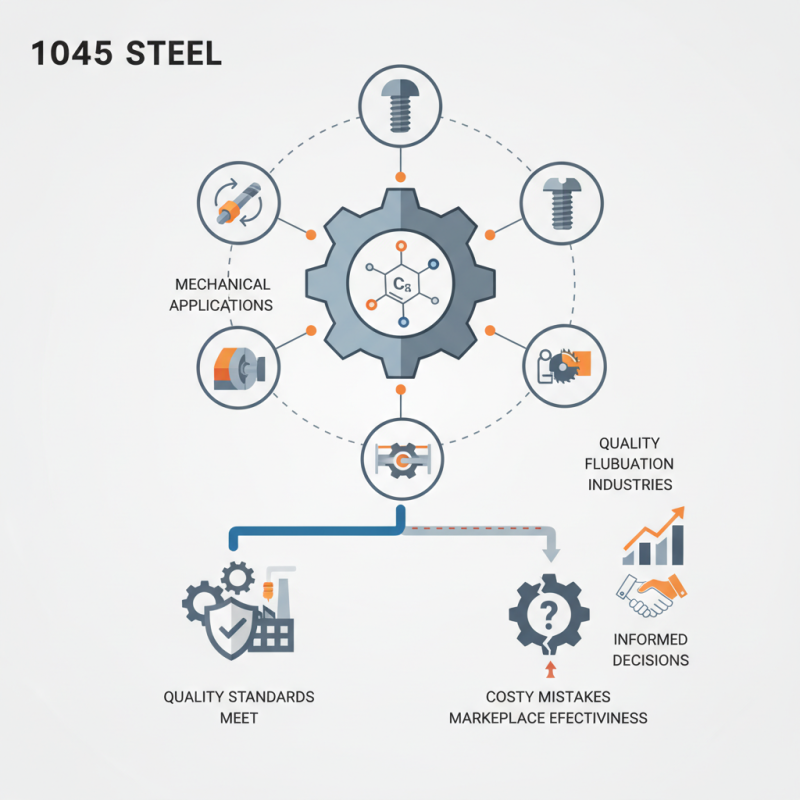
Understanding 1045 steel is crucial for various industries. As expert metallurgist Dr. Jane Anderson states, "1045 steel is the backbone of many mechanical applications." This alloy, known for its strength and hardness, provides significant benefits in manufacturing.
The material's composition includes carbon, which enhances its tensile strength. It is often used in machining and fabrication industries. Applications range from shafts to bolts, where durability is essential. Buyers must recognize its versatility and reliability in production.
Yet, challenges exist in sourcing and processing 1045 steel. Not all suppliers meet quality standards. Buyers should verify credentials and seek out industry leaders. Quality fluctuations can lead to costly mistakes in projects, making informed decisions vital. Understanding these aspects of 1045 steel helps buyers navigate a competitive marketplace effectively.
What is 1045 Steel and Its Composition?
1045 steel is a medium carbon steel known for its balance of strength and ductility. It usually contains 0.43% to 0.50% carbon, which imparts good wear resistance and toughness. The composition typically includes iron, carbon, and small amounts of manganese. Manganese enhances hardness and strength, making it a vital component. Different alloying elements can slightly alter its properties, leading to variations in performance.
The properties of 1045 steel make it important in various applications. It's often used in parts that require higher strength and toughness, such as gears and shafts. Buyers should also consider its heat treatment capability, as heat treatment can significantly improve its hardness and tensile strength. However, 1045 steel can be more challenging to weld due to its higher carbon content, which can lead to cracking if not properly managed.
For buyers, understanding the nuances of 1045 steel is crucial. Each application may demand specific characteristics, so a thorough understanding of its composition is essential. Knowing the limitations and advantages will enable better decision-making. Mistakes can lead to selecting the wrong material, impacting the performance and longevity of products. Insight into these details can guide informed choices for manufacturing processes.
Key Properties of 1045 Steel: Strength and Durability
1045 steel is a medium carbon steel, known for its impressive strength and durability. With a carbon content of 0.45%, it strikes a balance between hardness and ductility. This makes it a preferred choice for applications that demand resilience without sacrificing workability. According to industry reports, 1045 steel exhibits a tensile strength of approximately 570 MPa, making it suitable for parts subjected to significant stress and strain.
The toughness of 1045 steel sets it apart. It can withstand sudden impacts, making it ideal for manufacturing gears, shafts, and other mechanical components. However, heat treatment is often necessary to optimize its properties. Without proper treatment, the steel may become brittle, limiting its effectiveness in demanding situations. This highlights the importance of understanding heat treatment processes for buyers aiming for specific mechanical characteristics.
Buyers should also consider corrosion resistance, as 1045 steel may require additional coatings or treatments for use in harsh environments. This adds complexity to selection and usage but ultimately enhances the material's longevity in functional applications. Making informed choices and recognizing these details can lead to better outcomes in mechanical design and fabrication processes.
Applications of 1045 Steel in Various Industries
1045 steel stands out for its versatility and strength, making it a valuable choice in many industries. Its composition typically includes 0.45% carbon, providing excellent hardness and wear resistance. This steel is often used in manufacturing components that require substantial toughness, such as gears, axles, and rods.
In construction, 1045 steel finds its place in heavy-duty machinery parts. Its reliability allows structures to withstand demanding environments. In the automotive sector, it is frequently utilized for producing crankshafts and transmissions. The high tensile strength offers a perfect balance between durability and weight.
**Tip:** When selecting 1045 steel, consider the heat treatment process. Different treatments can enhance its mechanical properties.
Furthermore, 1045 steel is beneficial for the oil and gas industry. Here, it is used to fabricate drilling components and valves. The ability to endure high pressures makes it a preferred material. Nonetheless, buyers should evaluate the specific requirements of their applications carefully.
**Tip:** Always consult with professionals to ensure that 1045 steel meets your project's specifications.
What is 1045 Steel and Why is it Important for Buyers? - Applications of 1045 Steel in Various Industries
| Dimension |
Value |
Importance |
Applications |
| Chemical Composition |
Carbon (C): 0.42-0.50% |
High carbon content for hardness |
Machinery components, shafts |
| Tensile Strength |
580-750 MPa |
Ensures durability and performance |
Automotive parts, tools |
| Yield Strength |
310-480 MPa |
Resists deformation under load |
Structural applications, frames |
| Hardness |
60-65 HRC (after heat treatment) |
Superior abrasion resistance |
Cutting tools, dies |
| Thermal Conductivity |
46 W/m·K |
Good heat dissipation |
Heat exchangers |
Comparing 1045 Steel to Other Carbon Steels
1045 steel is a medium carbon steel known for its excellent strength and hardness. When comparing 1045 steel to other carbon steels, it becomes clear why it holds a significant place in manufacturing. For example, 1045 provides a higher tensile strength than 1018 steel, making it suitable for applications requiring durability, such as automotive components and heavy machinery. However, its machinability isn’t as high as that of lower carbon steels, which may pose challenges for certain projects.
Understanding the differences with high carbon steels like 1060 is also key. While 1060 steel offers superior hardness, 1045 retains more ductility. This means that 1045 can absorb shocks better without cracking. Buyers should evaluate these properties based on their specific needs.
Tips: Before purchasing, assess the intended application of the steel. Understand the trade-offs between hardness and ductility. This knowledge helps in choosing the right material for projects. Always consult with a knowledgeable supplier to ensure proper specifications are met.
Buying Tips for 1045 Steel: What to Consider
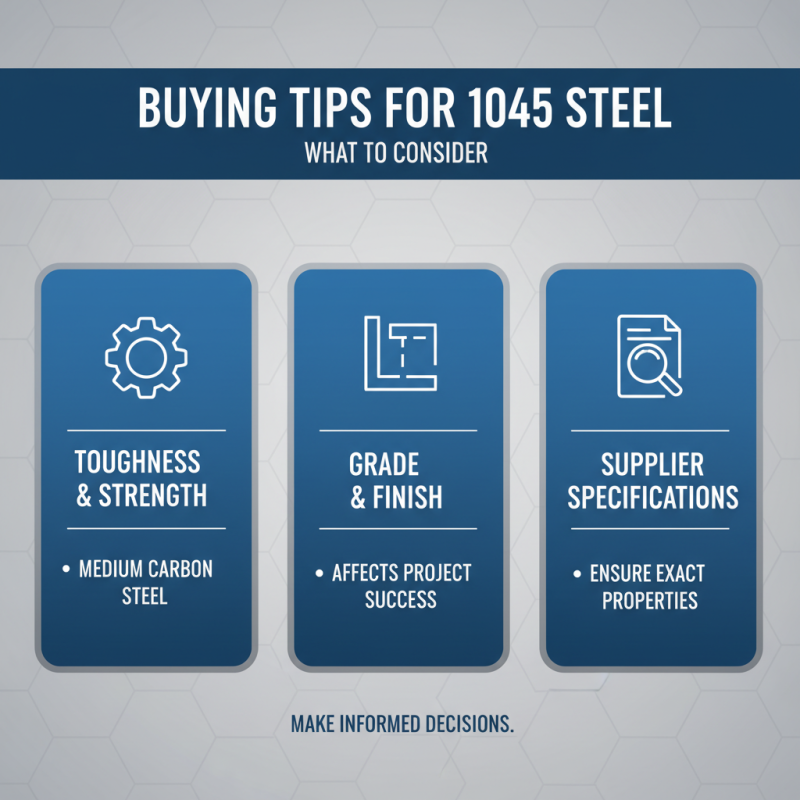
When considering 1045 steel, buyers should focus on several critical factors. This medium carbon steel is well-known for its toughness and strength. However, selecting the right grade and finish can greatly affect your project's success. Look for suppliers who offer detailed specifications. This ensures you get the exact properties you need.
One tip is to confirm chemistry composition. Different titanium or nickel additions can influence machinability and hardness. Be cautious about generically labeled steel that may not meet your expectations. Also, examine the heat treatment options available. Proper heat treatment increases wear resistance and overall performance.
Another important aspect is to check for certifications. Reliable suppliers should provide documentation proving the steel's quality. Don’t hesitate to ask for samples before making a large purchase. This way, you can evaluate the material's characteristics firsthand. Ultimately, making an informed choice will lead to better project outcomes.