Top 10 Benefits of Hot Rolled Steel Bar for Global Buyers?
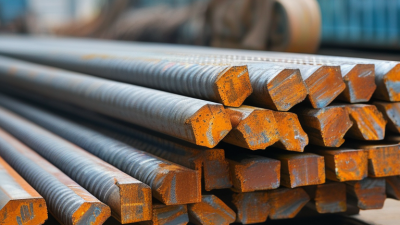
Hot rolled steel bar is often a key material in various industries. This versatile product offers numerous advantages for global buyers. Its unique properties make it a preferred choice for construction, manufacturing, and engineering projects. The process of hot rolling enhances its structural integrity and workability, allowing for efficient use in many applications.
Buyers appreciate hot rolled steel bar for its cost-effectiveness and availability. Manufacturers produce it in large quantities, ensuring a steady supply. Its customizable dimensions meet diverse specifications. However, some buyers may overlook potential challenges such as surface imperfections or varying quality. Awareness of these factors is crucial when selecting suppliers.
In this article, we will explore the top ten benefits of hot rolled steel bar. Understanding these benefits can help buyers make informed decisions. Quality and reliability are paramount in sourcing materials for any project. Keep reading to discover how hot rolled steel bar can serve your needs effectively.
Understanding Hot Rolled Steel Bar: Definition and Production Process
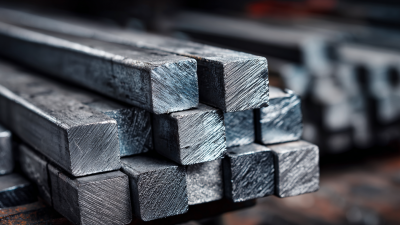
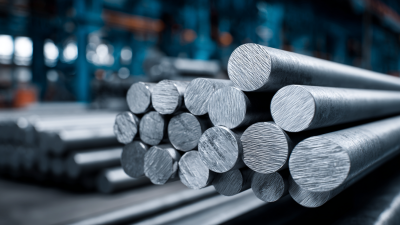
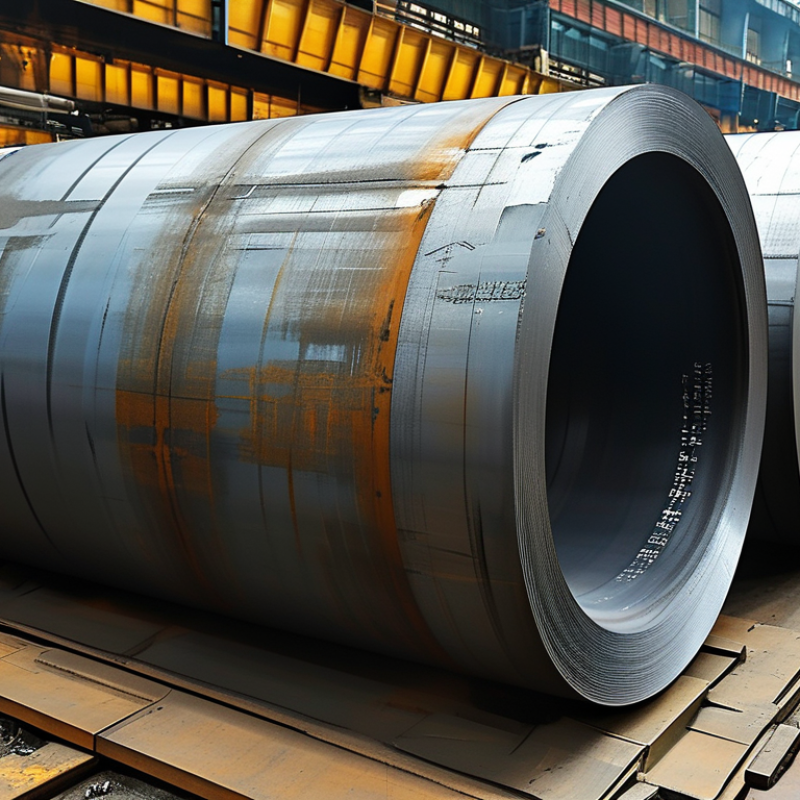
Hot rolled steel bars are key materials in various industries. Understanding their production process helps buyers appreciate their value. The process begins with heating steel billets to over 1,700 degrees Fahrenheit. This softens the metal and allows it to be easily shaped. The heated billets are then passed through rollers, transforming them into bars of desired dimensions.
The advantages of hot rolled steel bars are evident in their characteristics. They feature a rough surface finish, which is typical for this type of steel. This roughness can enhance adherence for subsequent processes, like painting or coating. Due to their lower production costs, hot rolled steel bars are often favored for large-scale projects. However, they may possess some internal defects that impact strength.
Different applications benefit from the distinct properties of hot rolled steel bars. Construction, manufacturing, and automotive industries frequently utilize them. Despite the many benefits, potential buyers should consider their specific needs. The choice between hot and cold rolled steel involves assessing intended use and expected performance. Understanding these aspects ensures a more informed decision.
Top 10 Benefits of Hot Rolled Steel Bar for Global Buyers
This bar chart illustrates the top 10 benefits of hot rolled steel bars for global buyers, highlighting factors such as cost efficiency, strength, and versatility. The high ratings indicate significant advantages in utilizing hot rolled steel in various applications.
Key Advantages of Hot Rolled Steel Bar for Construction and Manufacturing
Hot rolled steel bars are essential in construction and manufacturing. They provide numerous advantages that cater to global buyers. One key benefit is their cost-effectiveness. Hot rolling is a straightforward process that reduces production costs. This result is often reflected in the price. Utilizing hot rolled steel bars can lead to savings. The material itself offers strength and durability, making it suitable for various applications.
Another advantage is the ease of fabrication. Hot rolled bars can be easily cut, welded, or formed into desired shapes. This flexibility allows manufacturers to adapt to project requirements. Additionally, the surface finish is often rough, which aids in adhesion for coatings or other materials. This feature is beneficial in many construction scenarios where bonding is crucial.
Despite these advantages, challenges exist. The dimensional accuracy of hot rolled bars may not always meet strict tolerances. This aspect could be problematic for some precision applications. Buyers should be aware of this trade-off. While hot rolled steel bars serve many needs, careful consideration is essential when planning projects. The inherent qualities make them reliable, but potential drawbacks need to be evaluated.
Cost Efficiency of Hot Rolled Steel Bar in Global Markets
Hot rolled steel bars provide significant cost efficiency in global markets. These bars are made through a process that involves high-temperature alloys. The production method lowers manufacturing costs, making them more competitive in price. Buyers can benefit from reduced material expenses when sourcing hot rolled steel.
In addition to cost savings, hot rolled steel bars offer versatility. They can be easily shaped into complex designs, suitable for various applications. Their availability in different sizes and grades supports diverse project needs. While hot rolled steel is often favored for its affordability, it’s essential to evaluate specific project requirements before purchasing. Some projects may demand higher precision or specific properties that cold rolled options provide.
Buying in bulk can lead to further discounts. Buyers should negotiate to maximize cost efficiency. Consider sourcing from suppliers with a strong reputation. Reliable suppliers often provide certifications. This ensures the quality of materials meets specified standards. Exploring local suppliers might reduce freight and handling costs as well. When weighing options, think about not just the price but also the long-term value of the materials.
Durability and Performance Characteristics of Hot Rolled Steel Bar
Hot rolled steel bars are renowned for their exceptional durability and performance. These bars undergo a process of heating and rolling, which enhances their mechanical properties. According to the World Steel Association, the tensile strength of hot rolled steel can reach up to 600 MPa. This strength makes it suitable for construction and manufacturing applications that demand high resilience.
The performance characteristics of hot rolled steel bars can vary based on the production methods and environmental factors. While they exhibit excellent corrodibility in general, certain grades may show susceptibility to environmental wear. In harsher climates, protective coatings or surface treatments could be required. The variability in steel properties can sometimes lead to unexpected performance issues, particularly if specific applications aren't considered.
Another significant aspect is the ease of fabrication. Hot rolled steel bars can be cut, welded, or shaped without compromising their structural integrity. However, these processes can lead to distortions if not executed carefully. According to industry surveys, nearly 15% of manufacturers report challenges with dimensional accuracy after post-processing, which can lead to costly rework. Understanding both the benefits and limitations of hot rolled steel is crucial for buyers aiming to optimize performance while mitigating risks.
Global Applications and Industry Demand for Hot Rolled Steel Bar
Hot rolled steel bars are crucial in many industries across the globe. Their durability and versatility make them ideal for construction, manufacturing, and automotive sectors. According to the World Steel Association's report, global demand for hot rolled steel products is expected to reach 1.6 billion tons by 2025. This growth reflects the increasing infrastructure development projects worldwide.
In construction, hot rolled steel bars provide enhanced strength and stability for structures. They are often used in beams, columns, and reinforcements. The ability to withstand extreme temperatures adds to their appeal.
For the automotive industry, these bars contribute to lighter vehicle frames. This aids in fuel efficiency and reduces emissions.
When purchasing hot rolled steel bars, consider the material specifications and standards. Different applications require specific properties. Assessing these can ensure the best fit for your project.
Regularly updating your knowledge of market prices can also help in making informed decisions. Stay aware of fluctuations in demand and supply. This awareness supports better procurement strategies in competitive environments.