10 Best Hot Rolled Steel Bar Options for Construction and Manufacturing Use?
In the world of construction and manufacturing, the role of hot rolled steel bar is crucial. These bars are known for their strength and versatility. Builders often choose them for structural supports and frameworks. However, not all hot rolled steel bar options are created equal. Selecting the right type can be challenging.
Many factors influence this choice. The quality of the steel, dimensions, and manufacturing processes all play roles. Some bars may meet basic requirements but lack the durability needed for demanding tasks. Others might be overpriced without offering significant advantages. The key is to find a balance between cost and performance.
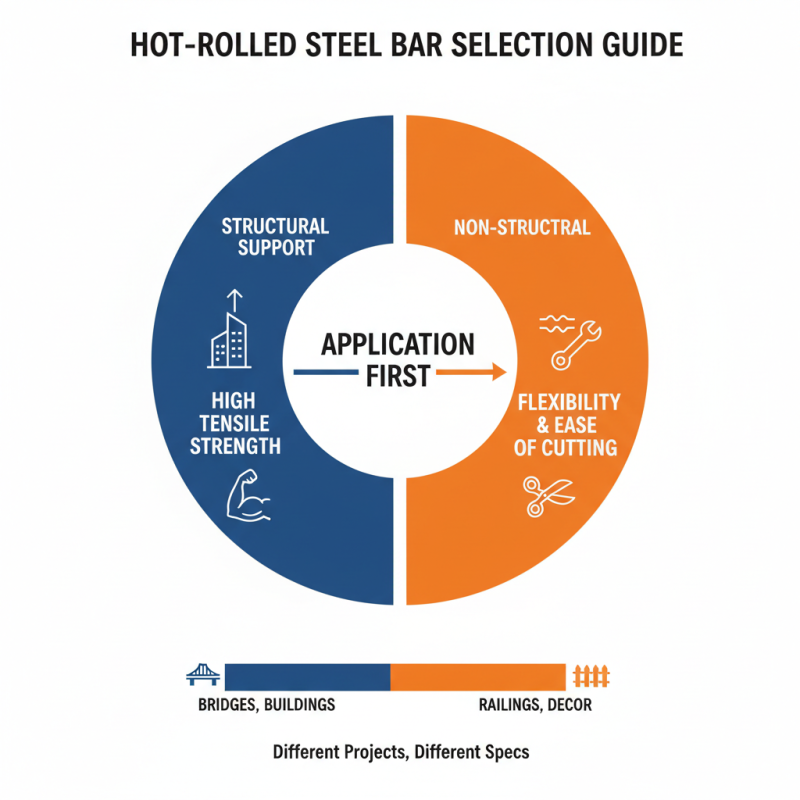
Consider your project's unique needs. Are you constructing a high-rise building or a simple shed? Each application has different demands. It’s easy to overlook essential details when making decisions. Investing time in understanding your options can lead to better outcomes. Quality matters, and finding the best hot rolled steel bar is an essential step in any successful construction project.
Overview of Hot Rolled Steel Bars in Construction and Manufacturing
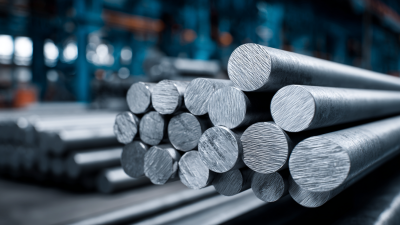
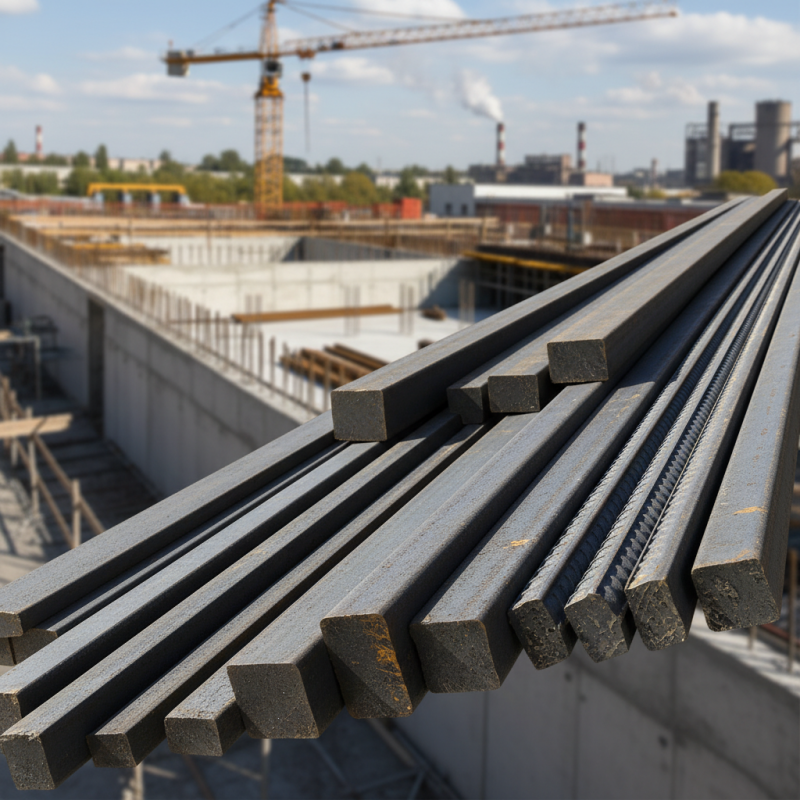
Hot rolled steel bars play a crucial role in construction and manufacturing. They are created by heating steel above its recrystallization temperature and forming it into bars. This process improves ductility and malleability, which makes it easier to work with. The texture is often rough, which helps in applications where gripping is necessary.
In construction, hot rolled steel bars provide structural support. They are commonly used in beams, columns, and reinforcements in concrete. These bars are strong and resist many forms of stress. The downside? Their surface can be inconsistent. This can affect the bonding with other materials. Manufacturers often face challenges in ensuring the bars meet precise specifications. There is a balance between cost and quality. Certain projects may require stricter standards, which can complicate procurement.
In manufacturing, these bars find use in machinery and equipment. They form various components, from axles to brackets. The characteristics of hot rolled steel bars allow for easy machining. Yet, variability in material quality can lead to unexpected issues in production. Companies must remain vigilant. Investing in quality control can mitigate risks. Ultimately, finding the right hot rolled steel bar involves considering both performance and potential imperfections.
10 Best Hot Rolled Steel Bar Options for Construction and Manufacturing Use
Key Characteristics of Hot Rolled Steel Bars for Industrial Use
Hot rolled steel bars are essential for construction and manufacturing. Their characteristics help create strong, durable structures. The process of hot rolling enhances their mechanical properties and makes them malleable. This method allows for precise shaping while reducing production costs.
These bars are typically available in various grades and sizes. They exhibit good tensile strength and ductility, making them suitable for heavy load applications. However, some hot rolled steel bars may have surface imperfections. These can sometimes impact the aesthetic appeal, especially in visible applications. It’s crucial to choose bars that meet specific project requirements while also being aware of potential thermal expansion issues.
Moreover, hot rolled steel has a lower carbon content compared to cold rolled options. This can lead to greater toughness, but also makes it less suitable for some precision applications. Understanding these trade-offs is key to selecting the right material for your project. Regular inspection and testing can help mitigate risks associated with surface imperfections and structural integrity. Every construction and manufacturing project requires careful consideration of these characteristics to ensure success.
Top Benefits of Using Hot Rolled Steel Bars in Construction Projects
Hot rolled steel bars offer numerous benefits for construction projects. They are durable and versatile. Their strength makes them suitable for various applications, from structural supports to reinforcements. When exposed to wear and tear, these bars maintain integrity. However, some may overlook proper maintenance, which can lead to issues over time.
In addition to strength, hot rolled steel bars are cost-effective. They are easier to source and manufacture. This lowers project expenses without sacrificing quality. The surface finish is another consideration. Some may find that rough edges or imperfections require additional processing. This could add time to project timelines.
Another key advantage is adaptability. Hot rolled steel bars can be easily welded and shaped. This flexibility allows for creative designs and modifications. However, without careful planning, creating complex structures might become challenging. Balancing creativity with practicality is essential. Using hot rolled steel bars effectively means recognizing both their strengths and their limitations.
10 Best Hot Rolled Steel Bar Options for Construction and Manufacturing Use
| Steel Bar Type |
Diameter (mm) |
Yield Strength (MPa) |
Tensile Strength (MPa) |
Applications |
| Hot Rolled Steel Bar A |
16 |
250 |
400 |
Construction, Frameworks |
| Hot Rolled Steel Bar B |
20 |
350 |
600 |
Bridges, Large Structures |
| Hot Rolled Steel Bar C |
25 |
400 |
620 |
Heavy Machinery, Manufacturing |
| Hot Rolled Steel Bar D |
30 |
300 |
500 |
Construction Beams, Reinforcements |
| Hot Rolled Steel Bar E |
35 |
450 |
700 |
Industrial Structures, Frames |
Comparative Analysis of the Best Hot Rolled Steel Bar Products
When considering hot rolled steel bars, factors such as
strength, flexibility, and surface finish become crucial.
These bars are essential in both construction and manufacturing. Their applications vary from
structural support to automotive components. Different products have unique characteristics
that make the selection process vital.
Some hot rolled steel bars exhibit impressive tensile strength, crucial for load-bearing structures.
However, others may fall short in specific applications.
Surface imperfections can affect weldability and overall performance.
Potential buyers should carefully compare specifications and performance data from multiple products.
Failure to consider these details could lead to costly mistakes in projects.
The availability of various sizes and profiles
adds complexity to the decision-making process. Some bars may be ideal for heavy-duty applications but
unsuitable for lighter tasks. Analyzing weight, dimensions, and other specifications helps in making
informed choices. It's essential to seek balanced options that align with project requirements.
Selecting the right hot rolled steel bar is not just about numbers; it's also about ensuring
durability and efficiency.