Best Steel Grades for Your Next Project?
Choosing the best steel grades for your next project can be challenging. Steel is a versatile material used in various industries, from construction to automotive manufacturing. Understanding different steel grades is essential for ensuring quality and performance.
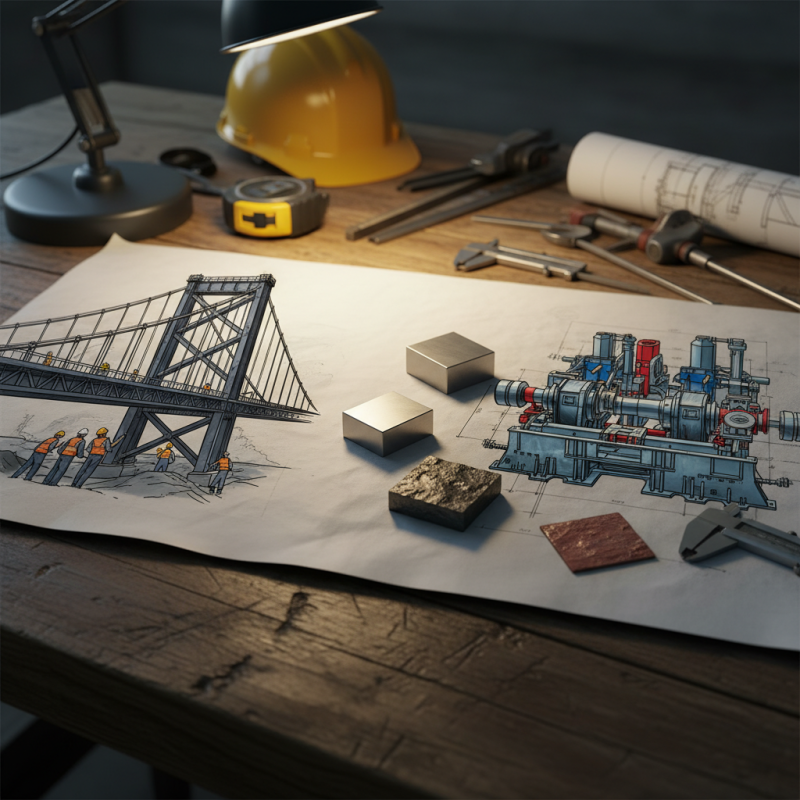
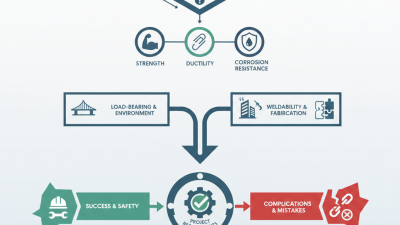
Each steel grade offers unique properties. Some are stronger, while others have better corrosion resistance. It's important to consider the specific needs of your project. Are you building a bridge or creating machinery? The right steel grade can significantly affect the outcome.
However, not all projects go as planned. Selecting the wrong steel grade can lead to structural failures or additional costs. Reflecting on past choices may help you identify what went wrong. Remember, making informed decisions about steel grades is crucial for success.
Understanding Steel Grades: An Overview
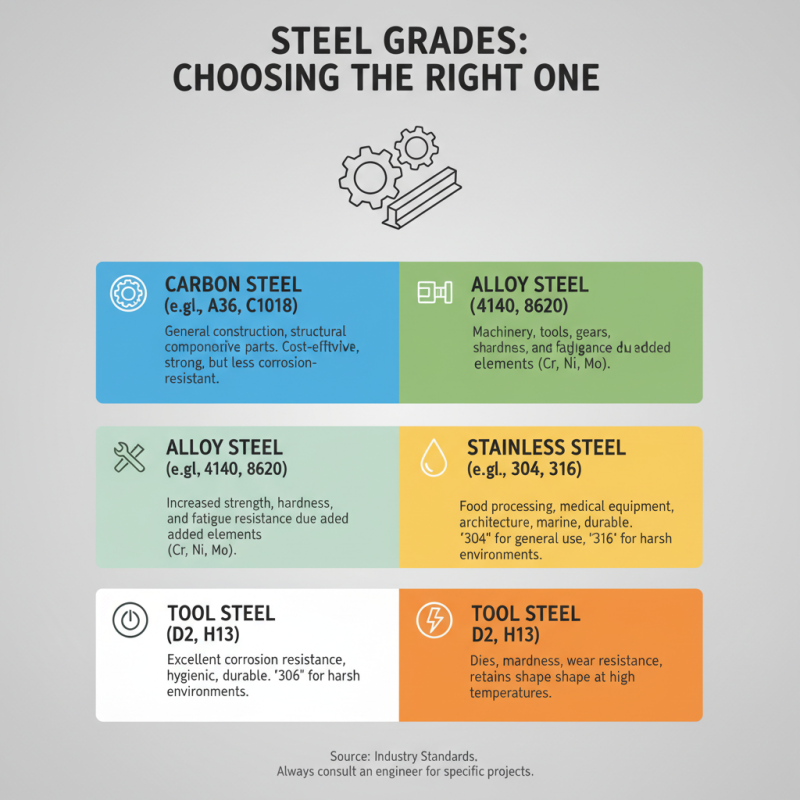
Understanding steel grades is crucial for any construction or manufacturing project. Steel comes in various types, each with specific properties. For example, carbon steel is known for its strength and durability. It is widely used in construction. Stainless steel, on the other hand, offers excellent corrosion resistance. This makes it ideal for kitchen equipment and outdoor structures.
Choosing the right steel grade can be tricky. Factors like tensile strength, ductility, and weldability play significant roles. Not every project requires the highest quality steel. Sometimes, opting for a lower grade can save costs, but may affect longevity. It's essential to balance budget with performance.
Many people overlook the nuances of different steel grades. Each grade has its benefits and drawbacks. For instance, while some grades resist rust, they might be less malleable. This can complicate certain projects. Taking time to understand these differences can lead to better decisions. Consider the long-term implications before making a choice.
Best Steel Grades for Your Next Project? - Understanding Steel Grades: An Overview
| Steel Grade |
Characteristics |
Applications |
Typical Yield Strength (MPa) |
| A36 |
Low carbon steel, good weldability |
Construction, structural beams |
250 |
| 304 |
Corrosion-resistant, versatile |
Food processing, kitchen equipment |
215 |
| 4140 |
Alloy steel, high strength |
Automotive, aerospace parts |
400 |
| S355 |
Structural steel, high yield |
Bridges, buildings |
355 |
| 1018 |
Low carbon steel, good machinability |
Machined parts, gears |
370 |
Key Properties of Different Steel Grades
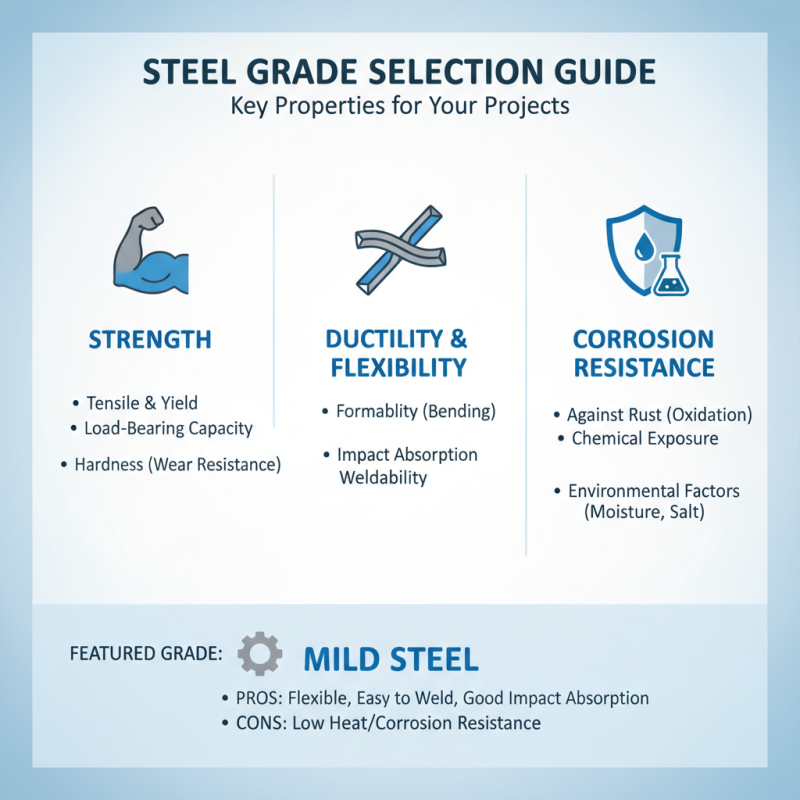
When selecting the right steel grade for your next project, understanding key properties is crucial. Steel grades vary significantly in strength, ductility, and corrosion resistance. For instance, mild steel is popular due to its flexibility and ease of welding. It can absorb impacts well but may not resist high temperatures or harsh environments.
On the other hand, stainless steel offers outstanding corrosion resistance. It's ideal for outdoor applications or kitchens where moisture is a concern. However, it is more challenging to work with. High carbon steel is strong and wear-resistant, making it suitable for tools and blades. Yet, it may become brittle if not handled carefully. Always consider these characteristics based on the requirements of your project.
Be aware that no grade is perfect for all situations. Choosing the wrong type can lead to failures. It's essential to balance your project needs with the advantages and limitations of each steel grade. Reflect on these aspects to ensure your choice supports the project’s success.
Common Applications for Various Steel Grades
When choosing steel for a project, it's vital to understand appropriate grades. Various steel grades serve distinct purposes across industries.
Carbon steel, popular for construction, has numerous applications. It contains 0.05% to 0.25% carbon, ensuring strong structural support. Reports indicate that over 50% of steel used in the construction sector is carbon steel. It’s ideal for beams and reinforcements. However, this type can rust without treatment, which raises concerns.
Alloy steels combine various elements, enhancing performance. Based on a study, these steels account for about 20% of the global market. They excel in automotive and aerospace applications due to their resistance to heat and wear. Alloy steels can be more expensive, which sometimes deters their use.
Stainless steel resists corrosion, essential in food and medical industries. Roughly 30% of stainless steel components are used in kitchen equipment. Lack of attention to grades can lead to material failure, prompting costly repairs. Selecting the right grade is imperative to project success.
Factors to Consider When Choosing Steel Grades
Choosing the right steel grade is crucial for any project. Several factors can guide your decision. One important aspect is the steel’s mechanical properties. For example, tensile strength and yield strength can vary significantly across grades. According to industry reports, structural steel typically offers higher tensile strength. This is essential for construction projects that demand durability.
Corrosion resistance is another critical factor. Depending on the environment, you may need stainless steel, which contains chromium. Reports indicate that over 90% of stainless steel applications require this grade for its resistance properties. Without it, your project could suffer from premature deterioration.
Cost is a significant consideration as well. Not all high-strength steel is affordable. Sometimes, you might need to compromise on specific qualities to meet budget constraints. Experts suggest conducting a cost-benefit analysis, weighing performance against expense. Remember, the cheapest option may not always be the best. Each project demands reflection on these factors to avoid long-term issues.
Comparing Cost and Performance of Steel Grades
When selecting steel grades for a project, cost and performance are critical factors. Different grades offer varying strengths, corrosion resistance, and ease of fabrication. For example, carbon steel is affordable and widely available, yet it might not perform well in harsh environments. It's crucial to assess the specific needs of your project before settling on a choice.
Stainless steel provides excellent resistance to rust and staining. However, it comes at a higher cost. Consider the long-term benefits. Using higher-quality steel can result in lower maintenance costs. Conversely, using cheaper options might save money upfront but could lead to more expenses later due to failures.
Be aware that not all applications require top-tier materials. Sometimes, mid-range options can perform adequately while being budget-friendly. Test results can vary, and real-world conditions often reveal the limitations of materials. Every project is unique. Understanding the balance between cost and performance will ultimately guide you to the best steel grade for your needs.