Why Choose Steel Rods for Construction Projects?
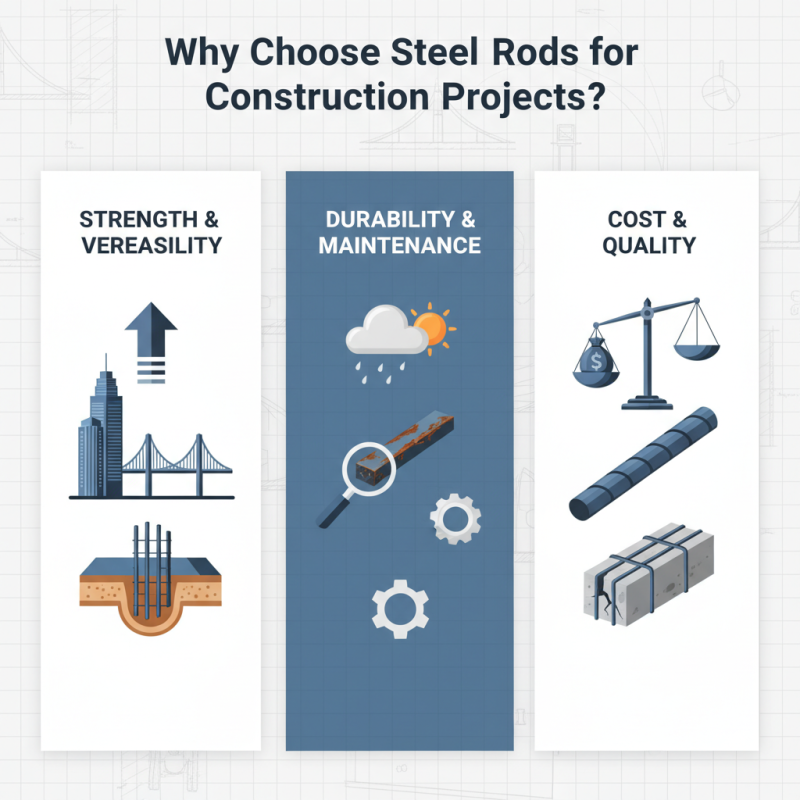
When it comes to construction projects, the choice of materials is critical. Steel rods, with their strength and versatility, are often favored. They provide essential support in buildings, bridges, and other structures. These rods can bear heavy loads and resist bending.
The durability of steel rods is appealing. They can withstand harsh weather and maintain their integrity over time. However, it’s essential to consider environmental factors. Rust and corrosion can affect their performance if not treated properly. Regular maintenance is vital in ensuring their long-term effectiveness.
Moreover, while steel rods are reliable, they can be costly. Budget constraints sometimes force builders to compromise on quality. This is a risky choice that can lead to structural failures. Choosing the right steel rod can significantly impact the project's overall success, making it a fundamental decision for any contractor.
Benefits of Steel Rods in Modern Construction Projects
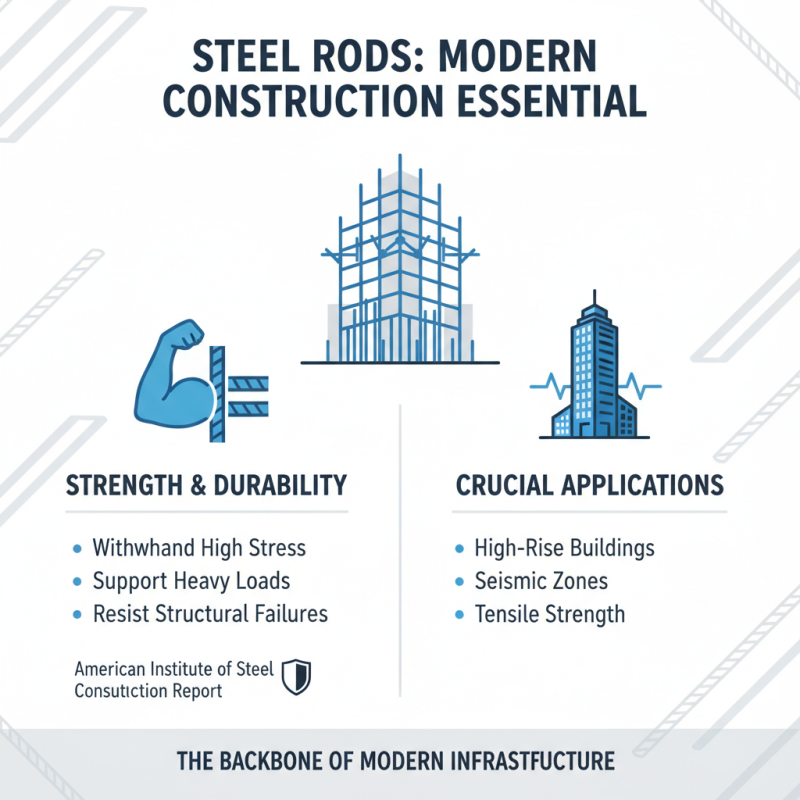
Steel rods play a crucial role in modern construction projects. They offer strength and durability that other materials often lack. According to a recent report by the American Institute of Steel Construction, steel can withstand high stress levels, which makes it ideal for various applications. In high-rise buildings, steel's tensile strength is essential. It helps support heavy loads and resist structural failures, especially in seismic zones.
The versatility of steel rods is another significant advantage. They can be molded into different shapes and sizes. This flexibility allows engineers to use them in various structures, from bridges to residential buildings. Notably, a study from the National Ready Mixed Concrete Association indicates that using steel reinforcement can improve the lifespan of concrete structures by up to 30%. However, not all projects account for the corrosion potential of steel.
Sustainability is a growing concern in construction. Steel rods can be recycled, contributing to a circular economy. The World Steel Association reports that approximately 90% of steel used in construction is recycled. Yet, this environmental benefit requires careful management of resources and waste. Without a proper recycling strategy, the potential advantages may not be fully realized, highlighting the need for improved practices in the industry.
Comparative Analysis: Steel Rods vs. Other Construction Materials
When considering construction materials, steel rods stand out for their durability and strength. Unlike wood or plastic, steel rods resist bending and breaking under pressure. They can withstand extreme weather conditions. This makes them ideal for structures that need to last. However, they can rust if not properly coated. This requires careful consideration during the building process.
Wood is often praised for its sustainability. Yet, it can warp over time. This is a crucial issue for long-lasting designs. Steel rods have a longer lifespan, making them more cost-effective in the long run. Concrete bars are another option. They are sturdy but can crack under stress. Steel rods provide a more flexible solution, adapting to various loads.
Tips: Always assess your project's environmental impact. Consider applying a protective coating to steel rods. This can prevent rust and extend their life. Additionally, evaluate the specific needs of your construction. Sometimes, a combination of materials may yield the best results. Be open to experimenting with different options to find what works.
Durability and Longevity: Why Steel Rods Stand the Test of Time
When it comes to construction, durability is key. Steel rods are known for their strength and resilience. They withstand various conditions, including harsh weather and heavy loads. The longevity of steel rods makes them a preferred choice for many builders. Buildings and structures often require materials that last a long time. Steel rods excel in this regard.
In many projects, cost efficiency is as important as durability. While steel rods may seem expensive at first, their long lifespan can save money over time. They require minimal maintenance, which can be appealing for budget-conscious builders. However, it is important to reflect on potential environmental impacts. Manufacturing steel involves significant energy consumption. This factor is worth considering in today's world.
Using steel rods brings challenges, too. Rust can pose a risk if not treated properly. Regular inspections are necessary to ensure their integrity. The reliance on steel also raises questions about sustainable alternatives. Balancing durability with environmental responsibility is crucial. Such reflections lead to better choices in the long run.
Comparative Analysis of Material Durability
Cost-Effectiveness of Steel Rods in Large-Scale Construction
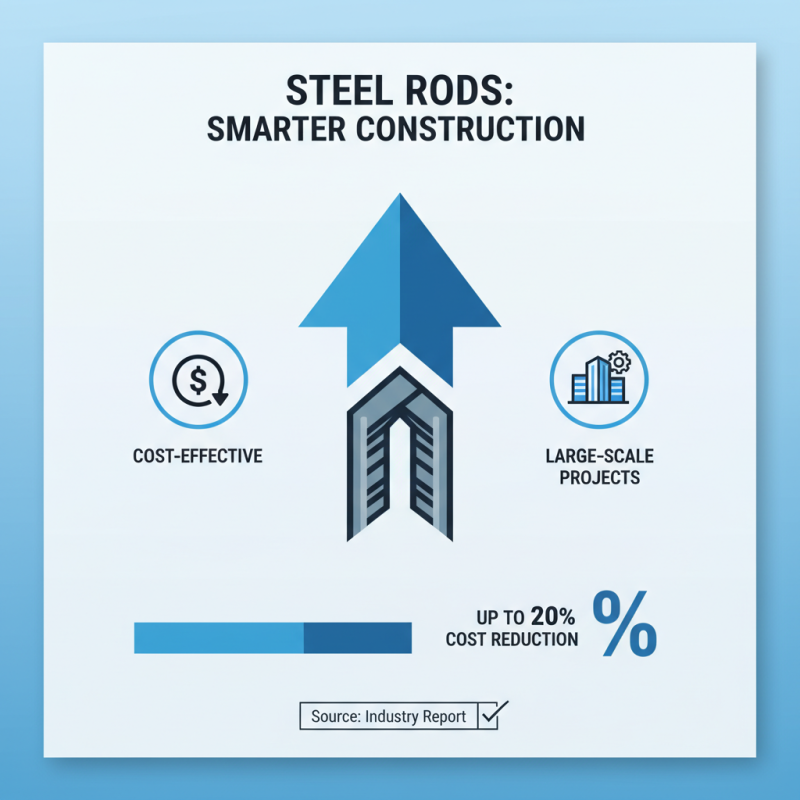
Steel rods are becoming increasingly popular in large-scale construction projects. Their cost-effectiveness is a major advantage. According to a recent industry report, using steel rods can reduce construction costs by up to 20%. This is crucial for budget-sensitive projects.
In many cases, the initial costs of materials may seem daunting. However, steel rods offer long-term savings. These rods have a high strength-to-weight ratio. This means fewer materials are needed. A study by the Structural Engineers Association noted that steel is 30% stronger than concrete in tensile applications. Thus, it provides durability without the added expense.
Investing in steel rods may still lead to concerns. Fluctuating steel prices can affect project budgets. Market volatility is a pressing issue that project managers must navigate. Additionally, sourcing quality steel is essential to avoid structural issues later on. Poor-quality steel can lead to serious structural compromises. This highlights the importance of thorough planning and consideration in material selection.
Sustainability Factors: The Environmental Impact of Using Steel Rods
Steel rods play a crucial role in construction, but their environmental impact deserves attention. Around 60% of structural steel is recycled, significantly reducing resource extraction. According to a report by the World Steel Association, recycling one ton of steel saves approximately 1.5 tons of iron ore, 0.5 tons of coal, and 40% of energy compared to producing new steel from raw materials.
However, steel production still poses environmental challenges. The process emits significant CO2. Data shows that producing one ton of steel releases about 1.85 tons of carbon dioxide. This figure raises concerns about climate impact. While recycled steel has less of a carbon footprint, the industry must improve its overall sustainability practices.
Additionally, the extraction of raw materials can lead to habitat destruction. This is a key issue that requires industry reflection. The gap between recycled and newly produced steel must narrow further. Greater innovation in production methods is essential. More efficient technologies could help mitigate environmental harm. Sustainable construction is not just about materials but also about the processes we implement.