How to Choose the Best Stainless Steel Wire Rod Supplier

Choosing the right stainless steel wire rod supplier begins with more than comparing prices. It requires careful attention to chemistry, surface quality, dimensional accuracy, delivery performance, and technical support. A reliable supplier should provide complete mill certificates, heat numbers, inspection records, and traceability from furnace to shipment. Ask for evidence, not promises.

Edwin Basson, Director General of the World Stainless Association, has emphasized, “Stainless steel is a durable and recyclable material.” This principle also applies to supplier selection. A dependable partner protects material performance throughout production, storage, and transport. Their wire rod should arrive clean, properly bundled, and protected against moisture, dents, and contamination. Small details matter.

Check the supplier’s experience with your required grade, such as 304, 316L, 410, or 2205. Confirm tensile strength, elongation, diameter tolerance, and surface requirements before placing an order. A supplier serving demanding spring, welding, fastener, or medical applications should explain its quality controls clearly.

Price can mislead.

A low quotation may hide inconsistent dimensions, delayed shipments, or weak after-sales support. However, a high price does not automatically prove superior quality. This is where practical judgment becomes necessary. Request samples, audit production capabilities, review customer references, and test the material under real processing conditions. Even experienced buyers can overlook one critical detail. The best stainless steel wire rod supplier is not simply the cheapest or largest company. It is the partner that delivers consistent material, honest documentation, responsive communication, and measurable value over time.

How to Choose the Best Stainless Steel Wire Rod Supplier

Define the Required Stainless Steel Wire Rod Specifications

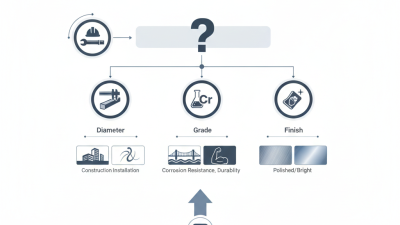
Choosing the best stainless steel wire rod supplier starts with a precise specification, not a polished catalog.

In production, I record the grade, diameter, tolerance, coil weight, surface condition, and required finish. For example, a 304 rod may require a 5.50 mm diameter. A 316 rod may suit chloride-rich environments better. State the chemical limits, mechanical requirements, and applicable standard.

Include tensile strength, elongation, and test temperature when forming performance matters. Small details matter.

A phrase like “bright surface” can create disputes. Define acceptable scratches, scale, discoloration, and straightness. Also specify the test method, sampling frequency, and inspection documents required with each shipment.

Ask the supplier to confirm heat numbers, mill certificates, traceability, packaging, and storage protection. Moisture-resistant wrapping may prevent surface staining during transport.

I once overlooked coil stability, and the unloading process became slower than planned. That mistake changed my checklist.

It now includes coil inner diameter, outer diameter, lifting method, and maximum bundle weight. Do not assume standard dimensions match your equipment. Send a sample drawing or forming image when possible.

A supplier should respond with measurable values, not vague promises. Review sample data carefully. Even experienced teams miss small conflicts between tolerance, strength, and bending requirements. Allow time for clarification before approving the purchase order.

Assess Supplier Quality Standards and Manufacturing Capabilities

Choosing a stainless steel wire rod supplier starts with measurable quality controls, not attractive brochures. The International Stainless Steel Forum reported global stainless crude steel production of about 58.4 million tonnes in 2023. That scale increases the need for consistent heat control and traceability. Ask for heat numbers, chemical analysis, tensile results, and dimensional records. Each document should match the physical coil. Check whether the supplier follows relevant requirements, such as ASTM A580/A580M or EN 10270-3. ISO 9001 certification helps, but it does not replace product testing.

Look closely at manufacturing capability. A reliable mill should control melting, continuous casting, hot rolling, annealing, pickling, and final inspection. Request evidence of diameter tolerance, surface condition, ovality, and decarburization testing. For demanding applications, ask about eddy-current inspection and laboratory calibration records. The supplier should also explain how it separates grades during production and storage. Small details matter. Mixed coils create expensive surprises.

Audit the process when possible, either directly or through an independent technical assessor. Review nonconformance records, corrective actions, and sample retention practices. A supplier that only shows perfect results may be hiding useful information. In practice, certificates can look complete while traceability breaks at packaging. I would test a production sample before signing a long-term agreement. Check coil weight, welds, rust marks, and uncoiling behavior. No checklist is perfect. A thoughtful supplier admits limitations and shows how it measures improvement.

How to Choose the Best Stainless Steel Wire Rod Supplier

Recommended supplier-assessment weighting for stainless steel wire rod procurement. Quality-system certification, material compliance, process control, testing capability, traceability, and delivery performance should be verified through current certificates, inspection records, mill test certificates, and site audits. Standards commonly reviewed include ISO 9001, ISO 14001, ISO 45001, ASTM A313/A313M, and EN 10088-3.

Verify Material Certifications, Testing, and Product Traceability

How to Choose the Best Stainless Steel Wire Rod Supplier

A reliable supplier should provide current material certifications with every shipment. Check the certificate against the ordered grade, diameter, heat number, and production date. The issuing laboratory or certification body should be identifiable and qualified for the stated testing scope. A document alone proves little.

Request chemical analysis, tensile strength, elongation, hardness, and dimensional inspection results. Match these values with the applicable ASTM, EN, or ISO requirements. Ask whether testing covers each heat or only selected samples. That difference matters. Independent laboratory reports can strengthen confidence when the application is critical. Still, even reputable suppliers may overlook a minor tolerance issue.

Product traceability should continue from raw material to finished coil. The heat number must appear on the certificate, coil tag, packing list, and shipping documents. During a factory visit, compare these records with physical markings on the coil. Record photographs and retain inspection samples when practical. A polished certificate can hide weak internal controls. I would also examine how the supplier handles failed tests, rework, and customer complaints. Honest answers are more valuable than perfect-looking paperwork. Small gaps deserve questions before they become production delays.

Compare Pricing, Lead Times, Packaging, and Delivery Terms

Choosing a stainless steel wire rod supplier requires more than comparing the lowest quoted price. World Steel Association data forecast global steel demand at about 1.773 billion tonnes in 2025. That scale can support competitive offers, but raw material volatility still affects quotations. Ask whether the price is fixed, indexed, or valid for only a few days. Compare the landed cost, including inspection, inland transport, insurance, duties, and port charges.

Lead time needs a written breakdown. Request separate dates for order confirmation, production, testing, packing, and shipment. A supplier promising ten days may mean ten production days only. UNCTAD’s Review of Maritime Transport 2024 notes that shipping carries over 80% of global trade by volume. Port congestion or schedule changes can therefore disrupt an otherwise accurate plan. Require a realistic delivery window and a notification process for delays. Shorter is not always safer.

Packaging should match the rod’s grade, diameter, and storage environment. Check coil weight, inner and outer diameter, strapping, moisture barriers, edge protection, and identification labels. Small details matter. Ask for loading photographs and a sample packing specification before purchase. Delivery terms should state the chosen Incoterms 2020 rule, transfer of risk, insurance responsibility, export documents, and detention costs. A low EXW price can become expensive after collection and handling. My comparison would remain provisional until these costs are confirmed in writing. Supplier references, mill certificates, and independent inspection records provide stronger evidence than polished sales promises.

Evaluate Supplier Reliability, Service, and Long-Term Support

A stainless steel wire rod supplier must prove reliability through consistent performance, not attractive promises. In practice, I review delivery records, production capacity, and quality results from recent orders. Ask for traceable mill certificates, inspection reports, and clear information about chemical composition. A reliable supplier can explain how each coil is identified, tested, packed, and stored. Small details matter.

During supplier discussions, measure service quality through response time and technical accuracy. Can the team recommend a suitable grade, diameter tolerance, and surface finish for your process? Can they handle changes without creating confusion? Request samples, then inspect the rod for surface marks, rust, uneven winding, and damaged packaging. A clean sample is useful, but repeated batches provide stronger evidence. One good shipment proves little.

Long-term support should include production updates, shipment tracking, complaint handling, and practical corrective action. I prefer suppliers who document problems honestly instead of hiding behind vague explanations. They should also maintain backup plans for raw materials, equipment failure, and sudden demand changes. However, no supplier is perfect, and delivery estimates can still fail. That weakness deserves discussion before signing an agreement. Set measurable expectations for lead time, replacement procedures, documentation, and communication frequency. Review performance after every shipment, because reliability is built through evidence over time.