How to Choose the Right Steel Bar for Your Project?
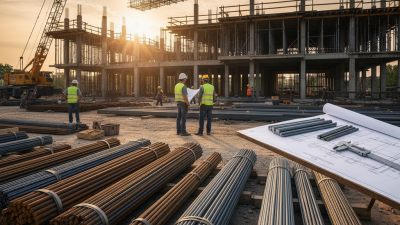
Choosing the right steel bar for your construction project is crucial. According to industry expert John Stevens, "The right steel bar can make or break your project's integrity." Steel bars are essential for structural support. They provide strength and stability to buildings, bridges, and more.
There are various types of steel bars available, each designed for specific applications. Understanding their properties is vital. For instance, some steel bars are more resistant to rust and corrosion. Others offer superior tensile strength. Selecting the wrong type can lead to unforeseen issues, like structural failures.
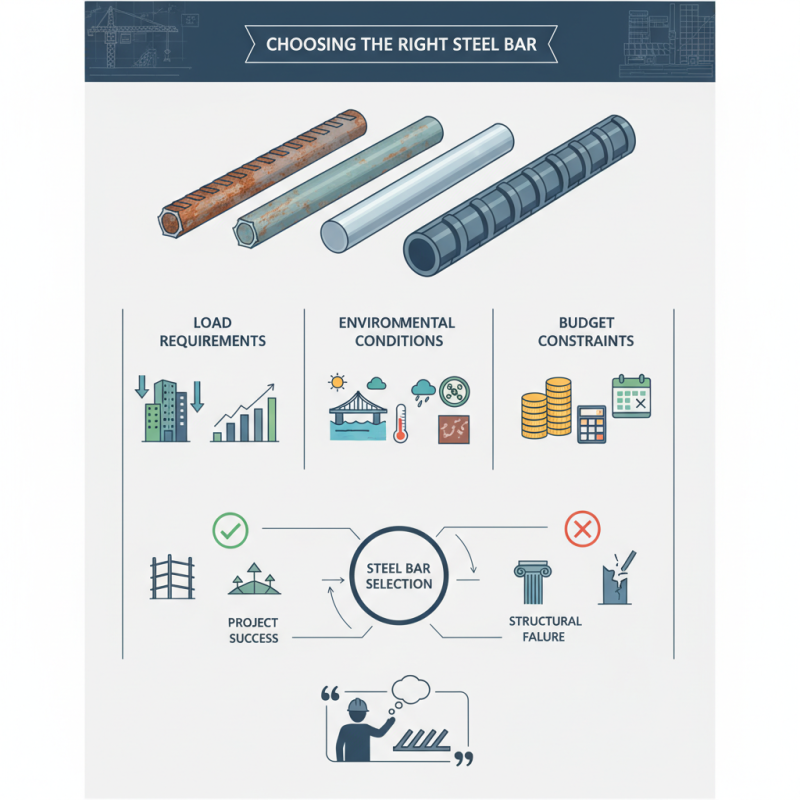
While it might seem simple, this choice requires careful consideration. You must evaluate the load requirements, environmental conditions, and budget constraints. It’s easy to overlook details when in a rush. Mistakes in selection can result in increased costs and project delays. Being informed is not just beneficial; it is necessary. The right choice of steel bar can vastly influence the success of your project.
Understanding the Different Types of Steel Bars Available
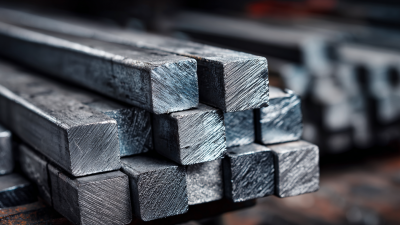
When selecting steel bars for your project, understanding the various types available is essential. Steel bars come in different grades and shapes, impacting their performance and suitability. Common types include hot-rolled steel bars and cold-finished bars. According to industry reports, hot-rolled bars are typically more malleable, making them ideal for construction applications. Cold-finished bars, however, often have tighter tolerances and superior finish but can be more expensive.
It's crucial to consider specific properties such as yield strength and tensile strength when choosing steel bars. For instance, grade 60 deformed bars can reach a yield strength of 60,000 psi, making them suitable for reinforcement in concrete structures. Conversely, grade 40 bars might be less robust, offering only 40,000 psi. Selecting the wrong type can lead to project delays or safety issues, prompting reevaluation of material choices. Research indicates that improper selection can add up to 15% to project costs, emphasizing the need for careful assessment.
Furthermore, not all projects require high-strength steel. Sometimes, using a less durable option may suffice. Cost should be balanced with performance needs. Many times, personal preference and ease of sourcing can influence decisions. It’s important to weigh these elements against industry standards to avoid making hasty choices.
How to Choose the Right Steel Bar for Your Project?
| Type of Steel Bar |
Diameter (mm) |
Weight (kg/m) |
Yield Strength (MPa) |
Common Uses |
| Mild Steel Bar |
10 |
0.617 |
250 |
General construction |
| High Tensile Steel Bar |
12 |
0.888 |
500 |
Reinforcement in concrete |
| Carbon Steel Bar |
16 |
1.580 |
380 |
Manufacturing and frameworks |
| Rebar Steel Bar |
20 |
2.469 |
600 |
Concrete reinforcement |
| Alloy Steel Bar |
25 |
3.853 |
700 |
High-stress applications |
Assessing the Strength and Durability Requirements for Your Project
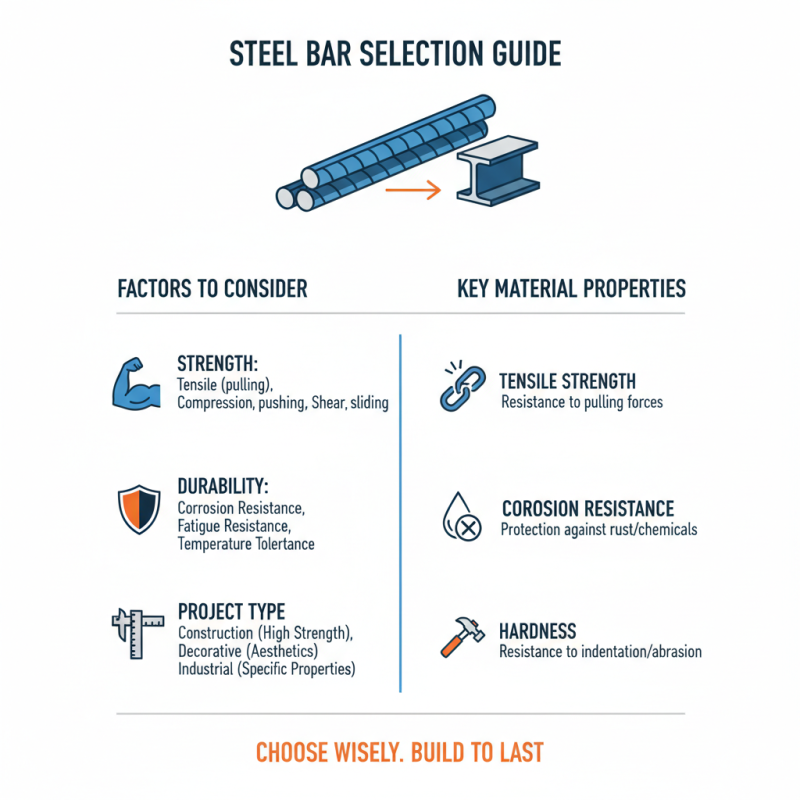
When selecting a steel bar for your project, it's essential to assess the strength and durability required. Different projects demand varying levels of resistance to forces and environmental factors. For instance, a construction project may require high tensile strength, while a decorative piece may focus more on aesthetic appeal.
Consider the application of the steel bar. Will it bear heavy loads? Will it face exposure to moisture or chemicals? Understanding these aspects can guide your choice. It might seem straightforward, but many overlook subtle details that can lead to failures. A bar that looks perfect on paper may not perform as expected.
Additionally, examine the environmental conditions. High humidity or salty air can lead to corrosion. Reflect on past experiences or failures. If a similar project suffered due to poor material choice, learn from it. Don’t underestimate the importance of durability in your selection process. These factors shape your project's success.
Evaluating the Cost Factors in Choosing Steel Bars
When evaluating the cost factors for steel bars in your project, several aspects come into play. Steel prices fluctuate based on market demand and raw material costs. According to the World Steel Association, steel prices rose by nearly 20% in 2021. Understanding these trends is critical for budgeting.
Another consideration is the type of steel bar you choose. Different grades and styles, like rebar or structural steel, come with varying costs. A recent report highlighted that construction-grade steel could range from $600 to $1,100 per ton, depending on existing market conditions. Smaller projects may not require high-grade materials, which can lead to unnecessary expenses.
Location plays a crucial role too. Transportation costs can spike if sourcing steel bars from distant suppliers. Local suppliers might provide better pricing to minimize shipping fees. It's essential to assess all these factors carefully. The risk of overspending looms without a proper evaluation. Sometimes, the cheapest option may not be the best. Always analyze the cost vs. quality trade-off to ensure project success.
Steel Bar Cost Evaluation for Construction Projects
The chart above illustrates the average cost per ton of various types of steel bars commonly used in construction projects. Understanding these costs can aid in making informed decisions for your project.
Considering Environmental and Corrosion Resistance Needs
When selecting a steel bar, environmental factors cannot be overlooked. Corrosion resistance is crucial for outdoor projects. For example, if your project involves structures exposed to moisture, choose stainless steel or galvanized steel bars. These materials protect against rust and degradation over time. However, keep in mind that the initial cost may be higher. Weigh the long-term benefits carefully.
In areas with saline conditions or industrial pollutants, even corrosion-resistant steel can fail. Regular maintenance is key. In some cases, coatings can enhance durability but require proper application. Ensure workers are trained for this task; improper techniques can negate the benefits. It’s a balancing act between quality and costs.
Think about your project's lifespan. Will it endure for decades? If so, invest in higher-quality materials. If you choose a less durable option, be prepared for future repairs. Sometimes, a bargain today leads to bigger costs later. Reflecting on these factors can lead to better decisions in your project’s success.
Reviewing Supplier Credentials and Quality Assurance Practices
When selecting a steel bar for your project, assessing supplier credentials is crucial. Not all suppliers adhere to the same quality standards. A recent industry report indicates that about 30% of steel products fail to meet basic quality requirements. This highlights the importance of vetting suppliers thoroughly.
Look for certifications such as ISO 9001 or ASTM that reflect quality management systems. Suppliers should provide detailed documentation on testing procedures and material origins. Over 40% of structural failures are attributed to material inconsistency. This statistic underscores the significance of choosing a supplier committed to rigorous quality assurance practices.
Engaging with suppliers directly can reveal much. Ask about their quality control processes and certifications. In a survey, over 50% of construction professionals reported that a lack of transparency influenced their decisions negatively. Understanding these practices can help mitigate risks and enhance project outcomes. Knowing that some companies might cut corners should push you to demand higher standards. Being proactive in supplier assessment leads to better materials and ultimately a more successful project.