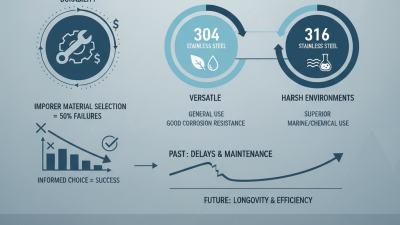
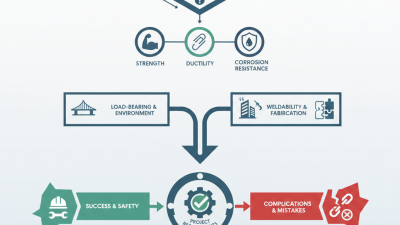
What is the Importance of Steel Grades in Construction?
In the construction industry, the significance of steel grades cannot be overstated. Steel grades determine the strength, durability, and longevity of structures. John Smith, a leading expert in materials science, once said, "Choosing the right steel grade can make or break a project." This highlights the crucial role steel grades play in construction quality.
Understanding steel grades is essential for architects and engineers. Different projects require specific steel grades to meet safety and performance criteria. For example, a building in a seismic zone needs high-strength steel to withstand earthquakes. Yet, not all professionals select the appropriate grades. This can lead to disastrous outcomes or increased costs.
Moreover, clarity about steel properties is often missing in construction discussions. Many overlook the impact of corrosion resistance or weldability, which are vital in specific environments. It's essential for professionals to reflect on their choices. The implications of using incorrect steel grades can be severe, affecting both safety and budget. In today's competitive market, knowledge and attention to detail in selecting steel grades are crucial for project success.
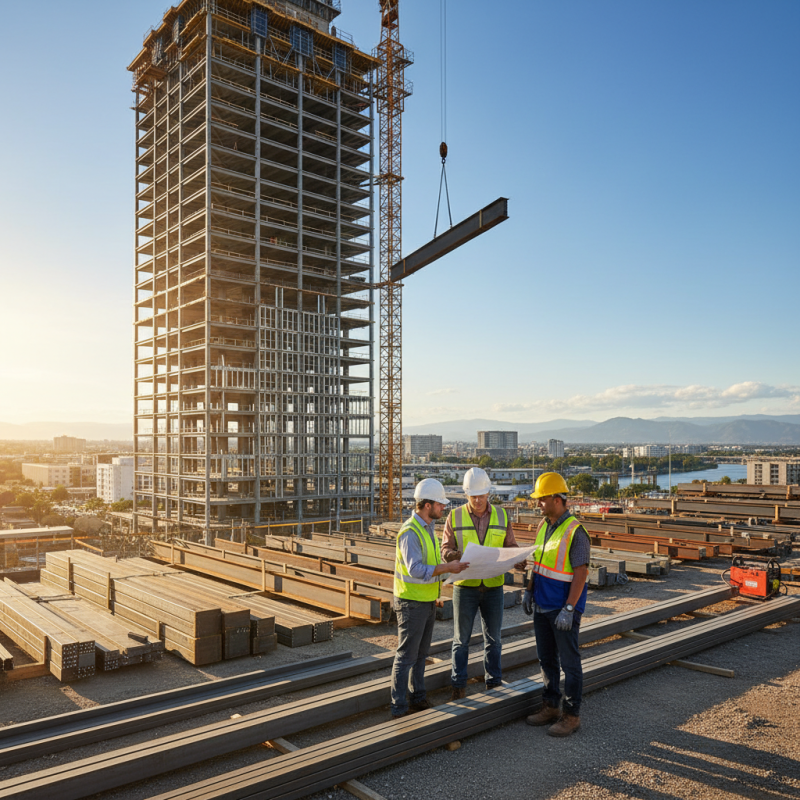
Importance of Steel Grades in Construction
Steel grades play a critical role in construction. Each grade has unique properties that affect strength, durability, and workability. According to the American Institute of Steel Construction (AISC), structural steel grades vary significantly. This variation impacts load-bearing capacity and design flexibility.
For instance, carbon steels are commonly used in construction projects due to their high strength-to-weight ratio. A report from the World Steel Association highlights that using higher-grade steel can reduce material usage by up to 30%. This leads to cost savings and lighter structures. However, using lower-grade steel can sometimes compromise strength and lead to safety issues.
Quality assurance is essential. Not all steel grades are suitable for every application. Inappropriate grade selections can result in failures or increased maintenance costs later. The International Organization for Standardization (ISO) provides guidelines for steel grades. Following these standards can ensure structural integrity. Still, it requires diligence and careful consideration throughout the project lifecycle.
What is the Importance of Steel Grades in Construction?
| Steel Grade |
Yield Strength (MPa) |
Tensile Strength (MPa) |
Elongation (%) |
Application |
| S235 |
235 |
360-510 |
26 |
General Construction |
| S275 |
275 |
410-560 |
22 |
Structural Steel |
| S355 |
355 |
470-630 |
21 |
Heavy Structures |
| S460 |
460 |
540-700 |
19 |
High Strength Structures |
| S690 |
690 |
780-950 |
16 |
Extreme Load Applications |
Understanding Different Steel Grades and Their Properties
When it comes to construction, understanding different steel grades is crucial. Steel grades indicate the strength, ductility, and corrosion resistance of the material. For instance, mild steel has a lower tensile strength compared to high-carbon steel. This means that while mild steel is easier to work with, it is less suitable for heavy load-bearing applications.
Choosing the right steel grade can affect durability. High-strength low-alloy (HSLA) steel is often used for bridges. It offers a balance of strength and weight. Using a wrong grade could lead to unexpected failures. Always consider the environment in which the steel will be used. Conditions like moisture can accelerate corrosion in lower-grade steels.
Tips: Check structural requirements before selecting steel. Conduct a corrosion test if in doubt. Remember, sometimes less is more. A simple grade may suffice for a specific application. Don't overlook the long-term implications of your choice. A well-considered selection can save costs and enhance safety.
Steel Grades in Construction: Properties Comparison
Factors Influencing the Selection of Steel Grades
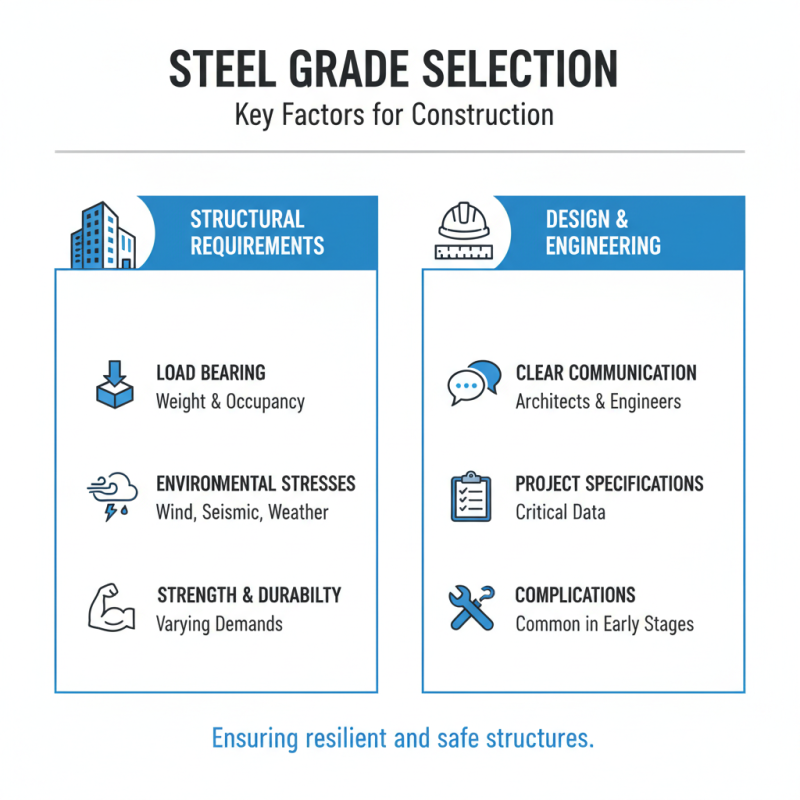
When selecting steel grades for construction, several factors come into play. The structural requirements are paramount. Different structures demand varying strength levels. Buildings must withstand weight and environmental stress. This includes loads from wind, seismic activity, and more. Architects and engineers must communicate clearly about these requirements. Complications often arise during this phase.
Cost is another crucial factor. Higher-grade steel can be more expensive. Yet, it might provide better longevity. We must weigh initial costs against long-term durability. Sometimes cheaper options may lead to higher maintenance expenses. It's a delicate balance. Countries and regions also influence steel selection. Local sourcing might affect availability and pricing. Using imported steel may complicate logistics.
Finally, environmental considerations cannot be ignored. Steel production has a significant carbon footprint. Sustainable practices are gaining traction. However, eco-friendly options might not always meet specific needs. This is a dilemma many face today. Selecting steel grades requires careful thought. Balancing these factors can be challenging. Each project presents its unique set of circumstances.
Applications of Various Steel Grades in Construction
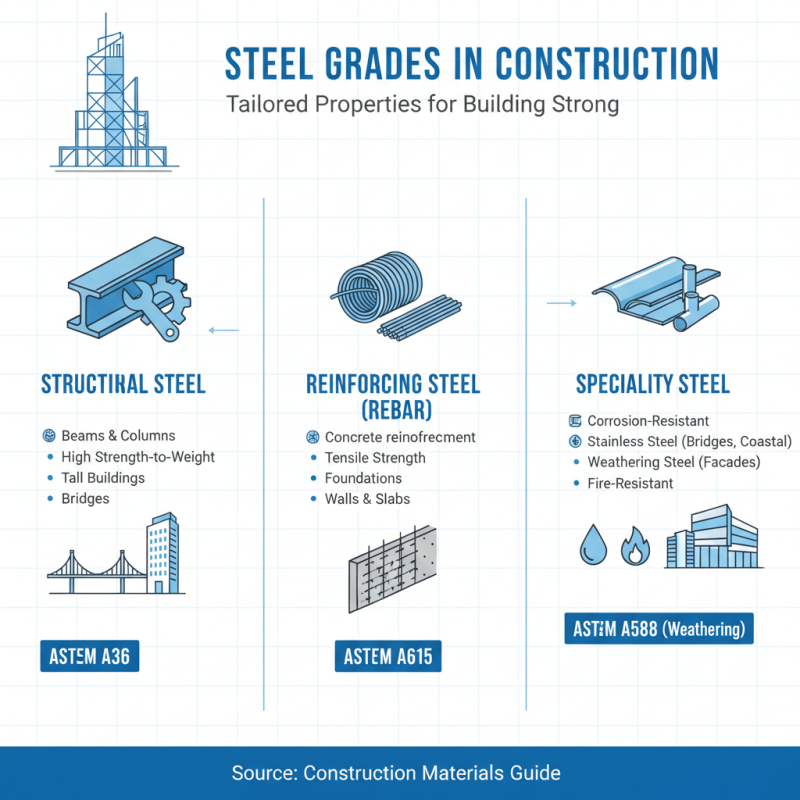
Steel grades play a crucial role in construction projects. Different grades of steel have varying properties, which make them suitable for specific applications. For example, structural steel is often used in beams and columns. This type of steel provides strong support and stability. Its high strength-to-weight ratio makes it ideal for tall buildings.
Another important application is in reinforced concrete. Here, mild steel bars are embedded in concrete to enhance its tensile strength. This combination allows structures to withstand heavy loads and resist cracking. Moreover, stainless steel is used in environments where corrosion is a concern. Examples include bridges and coastal structures. Its durability extends the lifespan of these constructions.
However, choosing the right steel grade can be complex. Engineers often face challenges in balancing cost and performance. Sometimes, cheaper steel may compromise safety and longevity. Evaluating the specific requirements of a project is essential. Not all projects require the highest grade of steel. Understanding the right application is key to successful construction.
Impact of Steel Grades on Structural Integrity and Safety
Steel grades play a crucial role in construction. They determine how structures withstand loads. Different grades offer varying levels of strength and ductility. This affects a building's ability to resist forces like wind, seismic activity, and weight.
When choosing steel, consider its impact on safety. A higher grade may provide better performance but can be more expensive. It's important to balance cost and safety. For instance, using a lower grade in non-critical areas might save money, but how safe is that?
Tip: Always verify the steel's grade before construction. Look for certifications or test results.
Additionally, remember that not all projects require the same grade. For example, residential buildings may not need the same high-grade steel as industrial ones. Assess the requirements carefully and consult with a structural engineer.
Tip: Engage an expert to analyze your project needs accurately. A small oversight can lead to significant safety risks.