Where to Buy China Best Steel Bar Stock Worldwide?
Where to Buy China Best Steel Bar Stock Worldwide? The answer depends on grade, dimensions, certification, and delivery requirements. “Best” is not a universal label. A construction contractor may need high-yield rebar, while a machining company may require bright steel bars with tight tolerances. Understanding this difference prevents expensive purchasing mistakes.
China offers a broad steel manufacturing base, including carbon steel, alloy steel, stainless steel, round bar, flat bar, square bar, and hexagonal bar. Experienced buyers usually compare verified mills, specialized exporters, and authorized distributors. They check production capacity, heat numbers, material traceability, and inspection records before placing a large order. A trustworthy supplier should provide mill test certificates, chemical analysis, mechanical results, and clear dimensional data. Ask for samples when accuracy matters.
Small details matter.
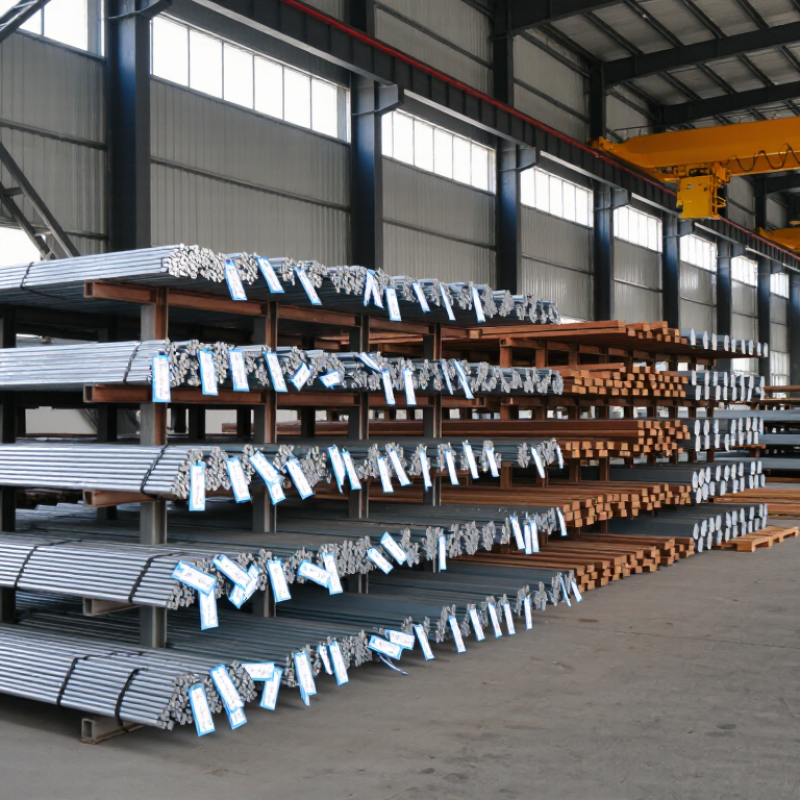
I have seen sourcing plans fail because packaging was treated as an afterthought. Bundles need strong steel straps, moisture protection, readable labels, and stable loading. Port handling can damage poorly protected stock, even when the material itself meets specifications. Buyers should also confirm applicable standards, independent inspection options, payment terms, and realistic shipping schedules. No supplier is perfect. Even a capable factory may communicate slowly or miss a minor tolerance. That weakness should be identified early, not hidden. This guide examines practical ways to evaluate China’s steel bar stock suppliers and select a dependable partner for global delivery.
Understanding China’s Steel Bar Stock Grades, Forms, and Applications
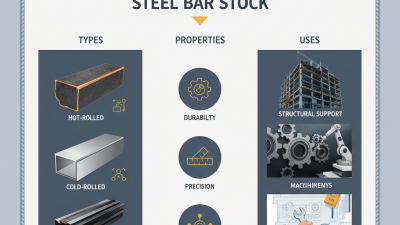
China’s steel bar stock is supplied in several grades, forms, and surface conditions. Common carbon steel grades suit general shafts, brackets, frames, and machined parts. Alloy grades offer better strength, wear resistance, or heat performance. Stainless grades support corrosion-sensitive equipment, food areas, and outdoor structures.
Forms affect both cost and manufacturing time. Round bar is widely used for pins, axles, bolts, and turned components. Square and hexagonal bars reduce machining on matching parts. Flat bar fits base plates, supports, and fabricated frames. Hot-rolled stock usually has a darker surface and broader tolerances. Cold-drawn bar offers cleaner dimensions and a smoother finish.
A reliable purchase starts with the technical file, not the lowest quotation. Ask for the steel grade, applicable standard, heat number, chemical analysis, mechanical test results, and dimensional tolerance. Check whether the certificate matches the actual production batch. This detail is easy to miss. I have seen buyers approve a sample, then receive stock with different surface treatment or tolerance. Verify packing, marking, cut length, and corrosion protection before shipment. Independent inspection can add cost, but it may prevent expensive machining losses. Also confirm whether the selected grade matches welding, bending, heat treatment, and service temperature requirements. Grade names are not always interchangeable across countries, so a qualified engineer should review the specification before ordering.
Evaluating Chinese Steel Bar Stock Quality and Manufacturing Standards
Where to Buy China Best Steel Bar Stock Worldwide? The harder question is whether “best” survives inspection, testing, and shipment. China produced about 1,019 million tonnes of crude steel in 2023, according to World Steel in Figures 2024. This scale supports extensive bar-stock capacity, but volume alone proves little. A serious buyer should request heat numbers, chemical analysis, tensile results, and dimensional records for every lot. Photographs help. They do not replace traceability.
For carbon and alloy bars, compare the purchase specification with the required ASTM, EN, or GB grade. ISO 6892-1 provides a recognized tensile-testing method, while ISO 148-1 covers Charpy impact testing. Ask whether samples came from the finished bar, not only the furnace batch. This detail matters when straightening, peeling, or heat treatment changes performance. The ISO Survey 2023 recorded more than one million ISO 9001 certificates in China. That indicates broad process adoption, not automatic consistency.
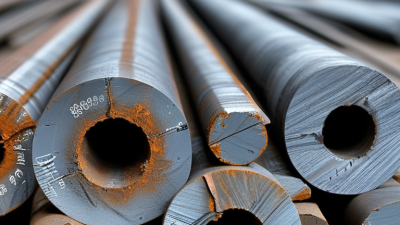
During supplier evaluation, match each certificate to the stamped heat number and packing list. Use independent laboratories for random retesting before shipment. Check diameter tolerance with calibrated micrometers, especially near bar ends. A 12-meter bar with bent tips can create fabrication waste immediately. Request mill process records, corrective-action history, and clear storage procedures. Moisture trapped beneath tight bundles can leave orange corrosion marks. Export packaging deserves attention. Even strong steel can arrive poorly protected. The weak point may be documentation, handling, or an assumption nobody challenged.
Where to Buy China Best Steel Bar Stock Worldwide?
Specified Minimum Yield Strength of Selected International Steel Bar Grades
Minimum specified yield strength is a key quality indicator for reinforcing steel bars. The comparison shows that commonly used grades in China and other major markets generally range from 400 to 500 MPa. Actual suitability should also be verified through chemical composition, dimensional tolerance, elongation, weldability, surface condition, and third-party inspection.
Reference standards: GB/T 1499.2, ASTM A615/A615M, EN 10080, and JIS G3112. Values shown are standard minimum yield-strength requirements and are not supplier-specific test results.
Finding Reliable China-Based Steel Bar Stock Manufacturers and Exporters
Where to Buy China’s Best Steel Bar Stock Worldwide?
Finding a reliable China-based steel bar stock manufacturer requires more than comparing prices. The World Steel Association reported that China produced about 1,005 million tonnes of crude steel in 2024, representing roughly 53% of global output. This scale creates broad sourcing options, but quality can vary between mills, trading companies, and exporters.
Start with the manufacturer’s production evidence. Ask for heat numbers, chemical composition, tensile results, dimensional tolerances, and EN 10204 3.1 inspection certificates. A serious exporter should connect each bundle to its mill certificate. Check the bar diameter with calibrated tools, not casual visual judgment. Confirm whether the factory owns rolling equipment or outsources production. That difference matters.
Review export experience carefully. The OECD’s 2025 steel market analysis highlights continuing global capacity pressure, which can intensify price competition and inconsistent offers. Request recent shipment records, packing photographs, loading-port details, and independent pre-shipment inspection. Verify applicable standards, including ASTM, EN, or JIS requirements, before signing. A very low quote can hide weaker tolerances, delayed delivery, or incomplete documentation. I have seen buyers focus too heavily on price. That is a costly habit. No supplier is perfect, so keep written specifications, staged payments, and a practical rejection process. Conditions at the port can also change unexpectedly.
Comparing Prices, Minimum Orders, and Customization Options Worldwide
Where to Buy China’s Best Steel Bar Stock Worldwide?
Buying steel bar stock from China requires more than comparing one quoted price. Prices vary with grade, diameter, length, surface finish, and inspection requirements. A low factory price may exclude inland transport, export packing, or ocean freight. Ask for a complete quotation with clear delivery terms and payment conditions.
Minimum order quantities also differ widely. Standard sizes often allow smaller trial orders, while special diameters may require full production batches. Customization can include cut lengths, polishing, threading, heat treatment, and private packaging. Each option affects production time and cost. Request material certificates, dimensional reports, and sample approval before placing a large order. Small details matter.
Tips:
Compare the landed cost, not only the unit price. Ask for three quantity levels. Check whether samples are charged. Confirm tolerance ranges in writing. Keep one independent inspection option available.
A practical comparison sheet should list price, minimum order, lead time, packaging, and testing fees. It should also record the steel standard and requested tolerances. A cheaper offer may become expensive after rework or delayed shipping. This happens more often than buyers expect. A realistic supplier evaluation balances cost, consistency, communication, and customization ability. No comparison is perfect, especially when freight rates change. Recheck the figures before approval.
Managing Shipping, Documentation, and Import Compliance for Global Buyers
Where to Buy China Best Steel Bar Stock Worldwide?
Buying China’s best steel bar stock requires more than comparing mill prices. Global buyers should confirm grade, dimensions, surface condition, and heat number traceability before placing an order. Request a mill test certificate with chemical results, mechanical properties, and applicable standards. Keep it exact.
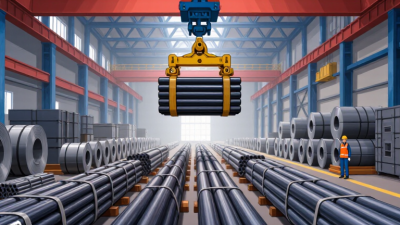
Shipping details deserve equal attention. Specify bundle weight, bar length, labeling, loading method, and destination port in the purchase contract. Long steel bars may require special handling, open-top containers, or breakbulk service. Moisture protection matters during sea transit, especially when bundles face long port storage. Confirm the Incoterm carefully, because it defines freight, insurance, risk, and customs responsibilities. A practical mistake is treating the quoted price as the landed cost. Duties, port fees, inland delivery, inspection, and demurrage can change the final figure.
Prepare a consistent document set before dispatch. It normally includes the commercial invoice, packing list, bill of lading, certificate of origin, mill test certificate, and insurance documents when required. The HS classification must match the actual product, not a convenient description. Import authorities may also require conformity evidence, labeling, or country-specific steel standards. Work with a qualified customs broker and verify requirements with the destination authority. I have seen small errors in weights or consignee names delay clearance for days. Review every document against the contract, shipment marks, and purchase order. Some buyers skip this check. That usually becomes expensive.