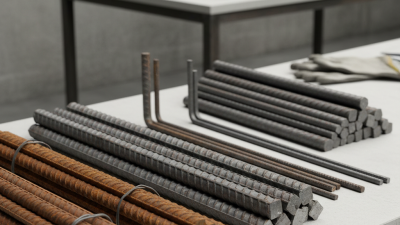
2026 Best Hot Rolled Steel Bar Types for Global Buyers
Choosing the right hot rolled steel bar in 2026 requires more than comparing price per tonne. Global buyers must examine grade, diameter, surface condition, production route, and delivery reliability. A 20-millimetre bar may look acceptable, yet poor dimensional tolerance can create costly fitting problems on site. Small details matter.
Metallurgist Dr. Harry Bhadeshia has written, “Steel is an alloy of iron and carbon.” This simple observation supports a deeper buying principle: chemistry controls performance. Carbon, manganese, silicon, and trace elements influence strength, weldability, ductility, and machinability. A dependable hot rolled steel bar supplier should provide heat numbers, mill test certificates, tensile results, yield strength, elongation, and chemical analysis. Buyers should also confirm whether EN, ASTM, JIS, or another specification applies. One standard cannot satisfy every project.
This guide compares the best hot rolled steel bar types for global buyers, including round, square, flat, and deformed bars. It considers construction, machinery, fabrication, infrastructure, and general engineering uses. Expect practical comparisons, not perfect rankings. No single bar suits every market. Weather, port handling, packaging, and local inspection practices can change the final result. Even a strong product may fail when storage leaves reddish scale across the surface. Ask difficult questions. Check the documents. Confirm the dimensions before shipment. A careful buyer balances technical performance, total cost, supplier experience, and transparent quality control. That balance is often more valuable than the lowest quotation.
What Hot Rolled Steel Bars Are and How They Are Made
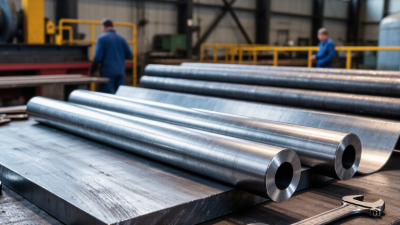
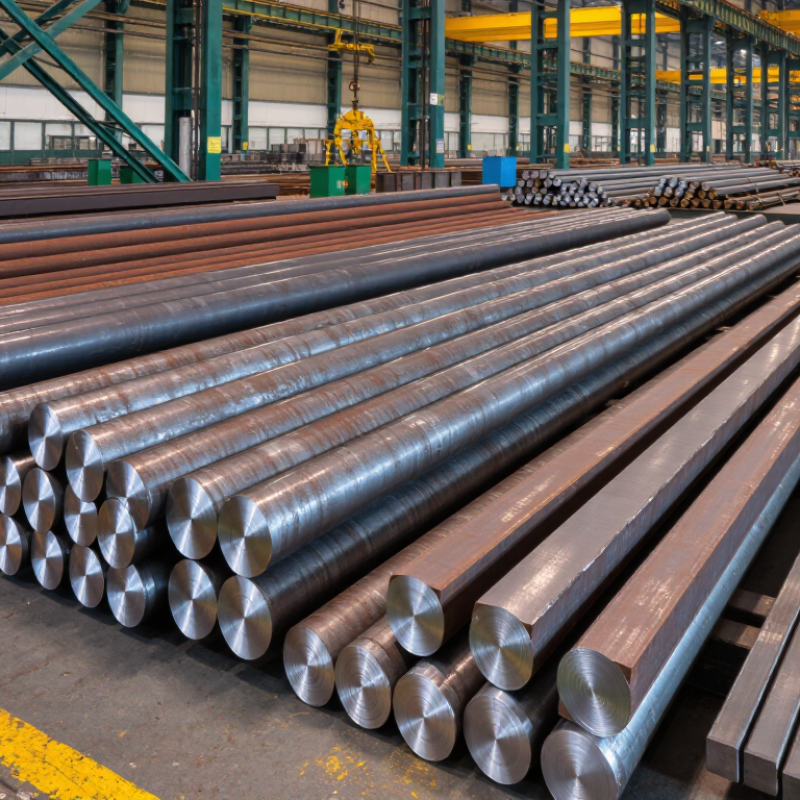
Hot rolled steel bars are solid steel sections shaped while the metal remains above its recrystallization temperature. Common profiles include round, square, flat, and deformed bars. Their final shape depends on the rolling mill’s grooved rolls and the buyer’s application.
Production begins with steel billets, usually reheated between 1,100°C and 1,250°C. The glowing billet passes through several rolling stands. Each stand reduces thickness and improves the profile. Water sprays may control temperature before the bar enters the finishing stand. The mill then cuts bars to standard lengths, often six or twelve meters.
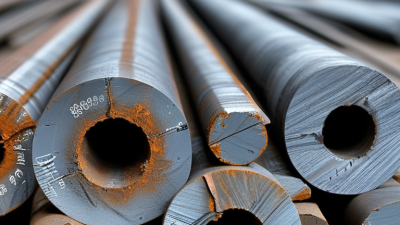
Cooling matters more than many buyers expect. Uneven cooling can affect straightness, hardness, and residual stress. Surface scale also forms during reheating. It is normal, but excessive scale may hide cracks or laps.
I recommend checking the inspection report, chemical composition, dimensional tolerance, and mechanical test results together. One document alone is not enough.
Round bars often serve shafts, pins, and general fabrication. Deformed bars improve concrete bonding through their ribs.
Flat bars suit brackets, frames, and support plates. Square bars are useful where simpler alignment matters.
Hot rolling is efficient, but it does not produce a perfectly smooth surface. Buyers sometimes expect cold-finished precision from a hot rolled product. That assumption needs reconsideration. Temperature records, sampling methods, and traceability should match the required standard and end use.
Main Types of Hot Rolled Steel Bars Available in 2026
Hot rolled steel bars remain practical choices for construction, fabrication, and heavy equipment in 2026. The main types include:
Round bars
suit shafts, pins, rollers, and general machining.
Square bars
provide sharp corners for frames, supports, and gates.
Flat bars
work well for brackets, base plates, straps, and reinforcement details.
Hexagonal bars
are useful when tools or fittings need multiple gripping surfaces.
Each shape affects cost, processing, and performance. A round bar usually turns smoothly on a lathe, while a square bar may need less cutting for welded frames. Flat bars save time when fabricators need wide surfaces with limited thickness. Hot rolling leaves a visible scale layer and may create modest dimensional variation. Buyers should allow machining stock rather than expecting precision-finished sizes. That small allowance matters.
Material grade, diameter, length, surface condition, and test documentation require careful checking. Common structural grades may offer balanced strength and weldability, but the correct choice depends on design loads and local standards.
Ask for mill test certificates, heat numbers, chemical results, and mechanical properties. I have seen projects delayed because the bar shape was correct, but the grade was not. That mistake is expensive. It is also avoidable.
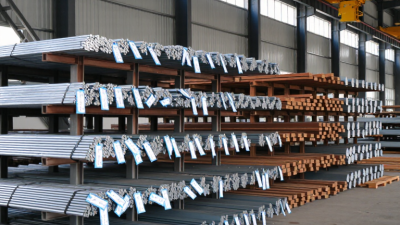
Price comparisons should include cutting, transport, machining, and surface preparation. Larger sections may reduce joints, yet they can increase handling demands. Some buyers focus too heavily on price. I used to underestimate storage conditions as well. Covered, dry storage helps limit scale and keeps identification marks readable.
Key Grades, Sizes, Shapes, and International Standards
2026 Best Hot Rolled Steel Bar Types for Global Buyers
Hot rolled steel bars serve different needs in construction, machining, and general fabrication. Common grades include SAE 1018 for easy machining and SAE 1045 for higher strength. Structural buyers may select ASTM A36, while European projects often specify grades under EN 10025. Grade names can look similar, but their chemistry and mechanical requirements may differ. Check the mill certificate, not only the sales description.
Shape affects both performance and processing.
Round bars, typically 6 to 100 millimeters in diameter, suit shafts, pins, and turned parts. Square bars offer straight edges for frames and supports. Flat bars work well for brackets, base plates, and welded assemblies. Hexagonal bars reduce machining time for nuts and fittings. Larger sections may arrive with scale, so surface preparation must be planned.
International standards are not interchangeable by default.
Reinforcing bars may follow ASTM A615 or EN 10080, while general steel bars may use ASTM, EN, JIS, or ISO specifications. Compare yield strength, tensile strength, elongation, chemical limits, and dimensional tolerance. A 25-millimeter bar is not always identical across standards. This is an easy mistake. Buyers should also confirm length tolerance, straightness, heat number, packaging, and independent inspection options. In some projects, the requested grade is correct, but the selected standard is not accepted locally.
How Global Buyers Should Select the Right Steel Bar
2026 Best Hot Rolled Steel Bar Types for Global Buyers
How Global Buyers Should Select the Right Steel Bar
Choosing a hot rolled steel bar starts with its final use, not its lowest quoted price. Round bars suit shafts, pins, and general machining. Square bars work well for frames, supports, and fabricated structures. Flat bars fit brackets, base plates, and reinforcement details. Deformed bars are designed for concrete bonding. The wrong profile can increase cutting, welding, and machining costs.
Grade selection requires equal care. Carbon steel may suit ordinary fabrication, while alloy steel supports higher strength or wear resistance. Buyers should compare yield strength, tensile strength, elongation, chemical composition, and weldability. A bar with high strength is not always the best choice. It may machine poorly or require stricter welding controls. That tradeoff is easy to overlook.
Dimensions, straightness, surface scale, and length tolerance should match the production plan. Leave enough machining allowance, but avoid excessive material waste. Request heat numbers, mill test certificates, and independent inspection when shipment value is significant. Certificates should match the actual bundle, not only the purchase order. Confirm the required standard, such as ASTM, EN, JIS, or another accepted specification, before production. I have seen buyers approve a familiar grade, then discover that its local compliance requirements differ. Shipping conditions matter too. Moisture protection, bundle marking, and clear weight records reduce disputes at the destination. Perfect planning is rare. Careful verification still prevents expensive surprises.
2026 Best Hot Rolled Steel Bar Types for Global Buyers
How Global Buyers Should Select the Right Steel Bar
The chart compares minimum specified yield strength for widely used hot rolled carbon steel bar grades. Higher yield strength can support greater load capacity, while the final selection should also consider bar shape, diameter, weldability, corrosion exposure, applicable standards, and project requirements.
Reference standards: ASTM A36, ASTM A615 Grade 60, EN 10025-2 S275JR, EN 10025-2 S355JR, and JIS G3101 SS400. Values are minimum specified yield strengths and may vary by product thickness and applicable edition of the standard.