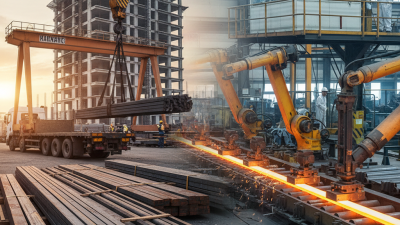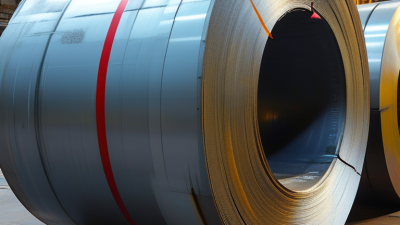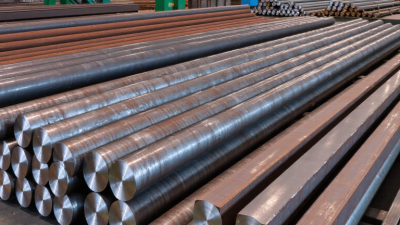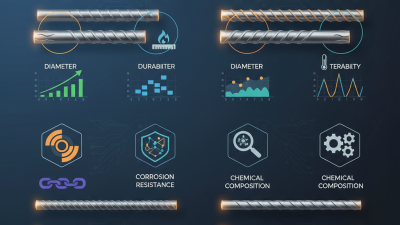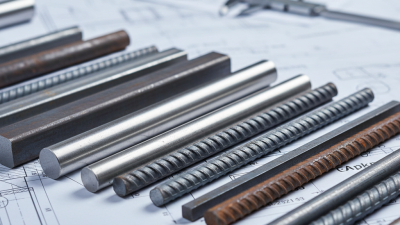
Hot rolled bars are chosen for more than their familiar shape. Their production process can provide consistent dimensions, dependable strength, and surfaces suited to cutting, welding, or machining. On a busy construction site, that means fewer surprises when a bar meets a connection plate or support frame. Still, the right choice depends on the grade, design loads, fabrication method, and exposure conditions.
The World Steel Association’s World Steel in Figures 2024 reports approximately 1.9 billion tonnes of crude steel production in 2023. That figure describes steel overall, not hot rolled bars specifically. It does, however, show the scale of the material supply behind modern construction. World Steel Association Director General Edwin Basson is a recognized industry leader, but the material provided here does not contain a verifiable quotation from him about hot rolled bars. I will not invent one. That restraint matters.
For project teams, the practical question is less “Is hot rolled steel strong?” and more “Is this grade right for this job?” Engineers should check mill certificates, dimensional tolerances, and applicable specifications before approval. A beam or frame may look sound in the yard. Details matter. Corrosion protection, handling marks, and fit-up can still affect performance. Hot rolled bars offer useful strength and workability, but they are not automatically the best option for every structural detail. Careful selection is the less dramatic—and often better—part of construction.
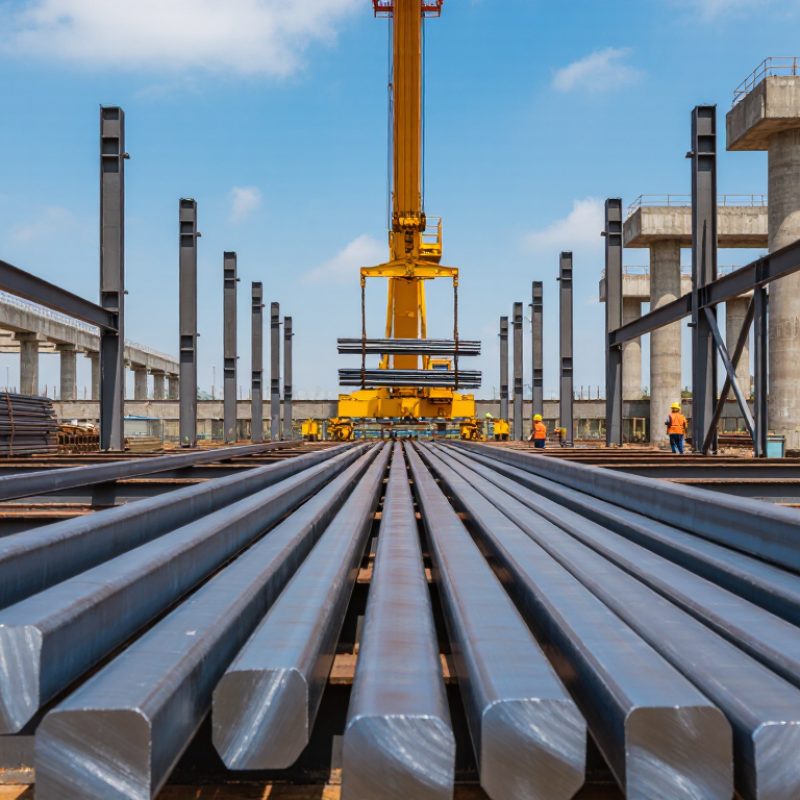
Hot-rolled bars start as steel billets, which are heated until workable and fed through rolling stands. Each pass squeezes the steel, reducing its cross-section and shaping it into rounds, squares, flats, or reinforcing bars. The World Steel Association’s World Steel in Figures 2024 reports global crude steel production of about 1.89 billion tonnes in 2023. That scale matters. But the figure describes crude steel, not bar quality; the finished product still depends on its grade, process control, and testing.
Rolling above the steel’s recrystallization range allows substantial shaping while the metal is hot. After rolling, bars cool, are cut to length, and may retain a dark layer of mill scale. Their dimensions and surface can differ from cold-finished products, so check the specification against the drawing and intended use.
Not automatically.
A hot-rolled bar is not suitable for every connection or load simply because it is strong. For construction, compare the mill test certificate with the specified grade, dimensions, and mechanical properties. A small mismatch on paper can become a real fit problem on site.
Hot rolling shapes steel bars while the metal is heated above its recrystallization range. Large rollers reduce the section in successive passes. Heat allows the steel to deform with less force than cold working. The process can break down coarse cast structures and create a more workable grain pattern. Details matter.
The resulting properties depend on steel chemistry, rolling conditions, and cooling rate. These factors influence strength, ductility, and toughness. Controlled cooling can refine the structure, but hot rolling alone does not guarantee a particular strength level. Bar performance must match the specified grade and intended load. There can also be variation through the bar’s cross-section, especially when cooling is uneven. Real production is not perfectly uniform.
For construction, hot-rolled bars are valued for their practical balance of strength, formability, and cost. Their surfaces often carry dark mill scale, and their dimensions may be less precise than those of cold-finished bars. That is not automatically a problem, but it affects fit and surface preparation. Check the material certificate and project requirements rather than judging a bar by appearance. A small detail can matter on site.
| Property or Factor | Influence of Hot Rolling | Construction Relevance | Practical Consideration |
|---|---|---|---|
| Formability and ductility | Hot rolling shapes steel while it is at an elevated temperature, allowing substantial deformation during manufacture. The final ductility depends on the steel grade and processing conditions. | Ductile bars can accommodate forming and may provide useful deformation capacity in structural or reinforcement applications. | Check the specified grade’s mechanical-property requirements; ductility is not determined by the rolling process alone. |
| Strength | Hot rolling establishes the bar’s shape and contributes to its microstructure. Strength depends on composition, rolling schedule, cooling, and any subsequent treatment. | Bars can be specified for load-bearing uses when their certified strength meets the project design requirements. | Use the applicable product standard and mill test certificate rather than assuming a strength value from the term “hot rolled.” |
| Grain structure and toughness | Controlled rolling and cooling can influence grain size and mechanical performance. Results vary with the steel and manufacturing route. | Suitable toughness and strength are important where members experience impact, cyclic loading, or low-temperature service. | Verify required toughness properties and test conditions where they are relevant to the design. |
| Surface condition | Bars may have a dark mill-scale surface formed during high-temperature processing. Deformed bars may also have ribs or other patterns produced during rolling. | Ribs on reinforcing bars help develop bond with concrete. Surface condition also affects preparation for coatings, welding, or inspection. | Remove scale or contaminants when required by the coating, welding, or project specification; do not treat mill scale as a protective coating. |
| Dimensional tolerance | Hot-rolled bars are produced to specified size and tolerances, but their dimensions and surface finish are generally less precise than those of many cold-finished products. | They suit many structural and reinforcement applications where the tolerances provided by the relevant product standard are acceptable. | Confirm the permitted diameter, straightness, length, and mass tolerances against the project specification. |
| Residual stress | Hot rolling and subsequent cooling can leave residual stresses. Their magnitude and distribution depend on the manufacturing and cooling process. | Residual stress may matter during cutting, machining, or fabrication of some components. | For applications sensitive to distortion or stress, consult the supplier and consider the required fabrication or stress-relief procedure. |
| Product availability and fabrication | Hot rolling is a widely used route for producing bars in standard shapes and sizes, including plain and deformed products. | Common sizes and standardized grades can simplify sourcing for building, infrastructure, and concrete-reinforcement work. | Confirm grade, size, standard, traceability, and suitability for the intended joining or fabrication method before ordering. |
Hot rolled bars appear throughout construction because they can be cut, drilled, welded, and formed into useful components. Their application depends on the section shape, material grade, loads, and project drawings. Round bars may become pins, tie pieces, or anchor components. Flat bars suit straps, brackets, and small connection plates. Square bars can be used in grilles, gates, and fabricated supports. Fit matters.
On building sites, fabricators use bar stock for stair rails, equipment frames, temporary supports, and connections between larger steel members. In warehouses, bars may reinforce platforms or form guardrails around elevated walkways. Bridge and infrastructure workshops also use suitable bars for stiffeners, hangers, and maintenance-access details. These parts may look modest, yet some carry repeated loads or experience vibration.
Hot rolling leaves surface scale and may produce less precise dimensions than cold finishing, so close-fitting assemblies can require machining. Check the specified grade, dimensions, straightness, and corrosion protection before fabrication. Welding should follow the material specification and an appropriate procedure, not guesswork. A hot rolled bar is not automatically a substitute for reinforcing steel; concrete reinforcement must match the specified product and detailing. Site conditions can change the choice, and drawings may not show every awkward fit. Worth checking twice.
Hot-rolled bars suit construction because they combine dependable strength with practical handling. They can be produced in common diameters and cut or bent for reinforcement cages, columns, and beams. Their raised ribs help transfer force between steel and concrete. ASTM A615/A615M specifies a minimum yield strength of 420 MPa for Grade 60 reinforcing bars, giving engineers a clear reference when selecting material. The World Steel Association’s 2021 World Steel in Figures report attributes about 52% of global steel use to buildings and infrastructure. That scale reflects steel’s importance, though it does not make every bar suitable for every project.
On site, consistent sizes simplify spacing and tying, and mill test certificates let teams check a delivered heat’s properties against project requirements. Hot-rolled bars may arrive with mill scale; loose scale, oil, or significant corrosion deserves inspection before placement. Small details matter. Cutting and bending still need to follow approved drawings, since convenient handling cannot compensate for poor detailing. Cost comparisons should include transport, fabrication, and waste, not just the price per tonne. The cheaper bundle may not be the cheaper choice.
Specified minimum yield strength of selected ASTM structural steel grades
Hot-rolled structural steel is available in grades with different strength levels, giving designers options for balancing structural requirements and practical fabrication needs. A higher minimum yield strength means the steel can withstand greater stress before permanent deformation, but the appropriate grade depends on the design, product form, and applicable specification. Values shown are specified minimums; verify requirements for the exact product.
Sources: ASTM A36/A36M and ASTM A572/A572M. Yield-strength values are rounded to MPa.
Choosing hot rolled bars begins with the job, not the price per tonne. Check the specified steel grade, diameter, length, and project standard. A beam connection carrying repeated loads may need different properties from a simple bracket. Request mill test documentation and compare it with the purchase specification. Small mismatches matter. Busy sites can accept mixed sizes before anyone checks the bundle tags.
Surface condition matters too. Hot rolling leaves scale and a rougher finish than cold finishing. This may suit embedded reinforcement or fabricated frames, but affect coating preparation and fit-up. Look for deep pits, bends, or edge damage, especially when bars must align closely. Measure samples with a caliper; don’t rely only on labels. For outdoor exposure, consider the full protection system. Coatings, concrete cover, drainage, and maintenance all influence corrosion risk.
Production needs also shape selection. Confirm the bars can be cut, drilled, bent, or welded as required. Weldability depends on grade, chemistry, and procedure; don’t assume every hot rolled bar is ready to weld. Delivery lengths can reduce scrap, though a lower unit price may not mean a lower installed cost. Ask how dimensions are measured and which tolerances apply. I would revisit that detail before ordering; drawings can leave room for interpretation.